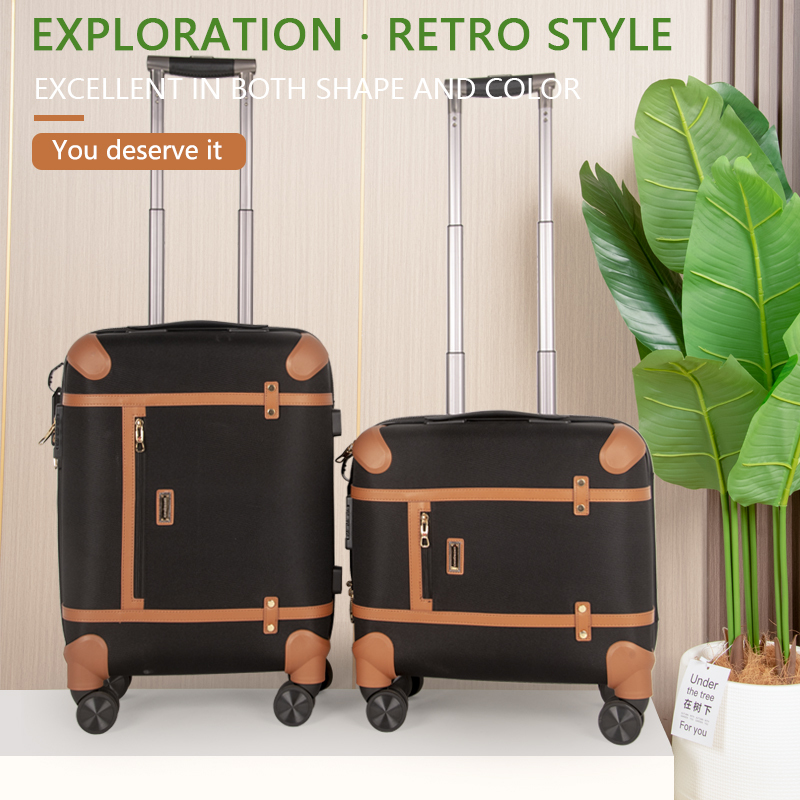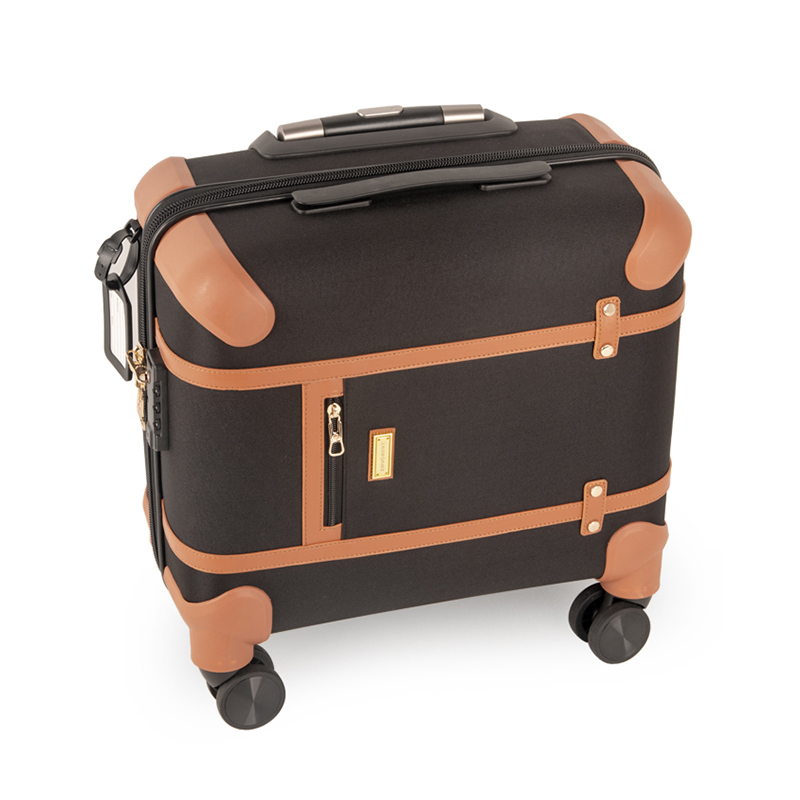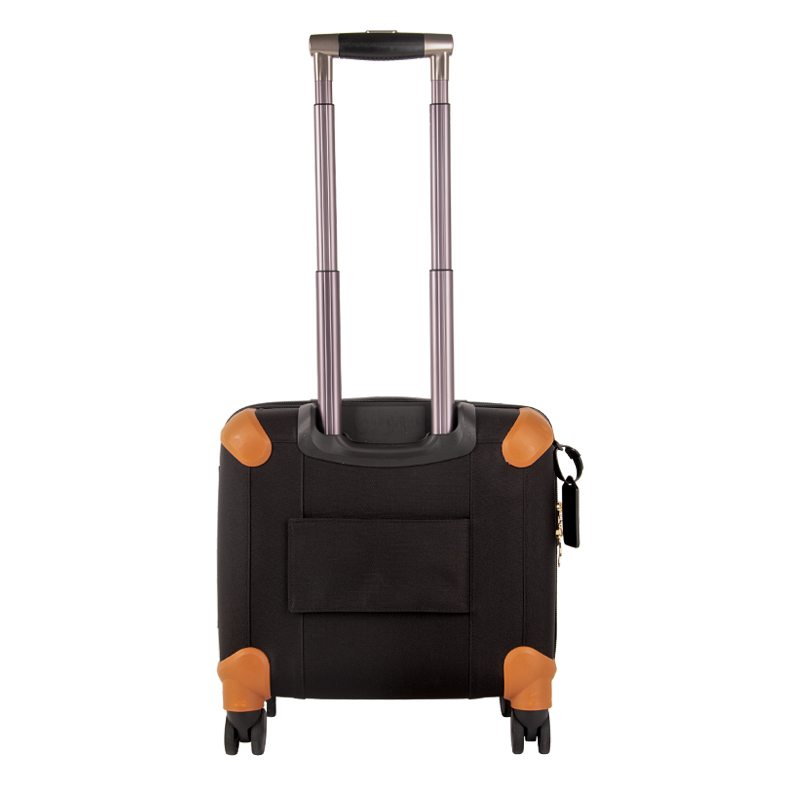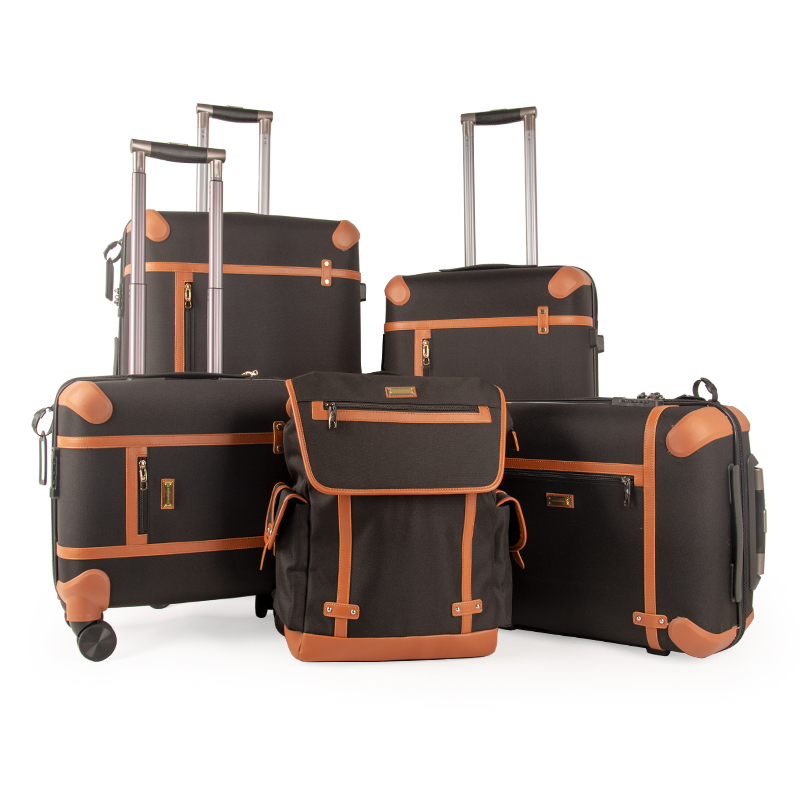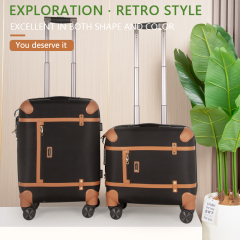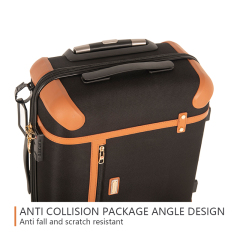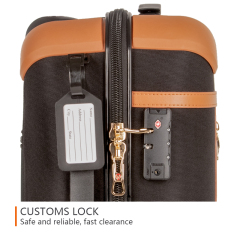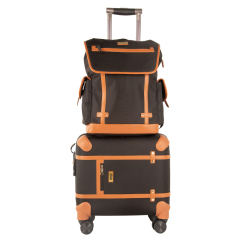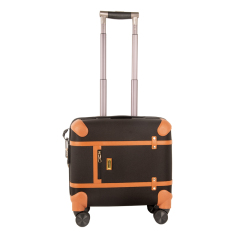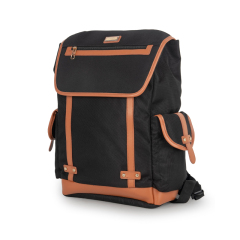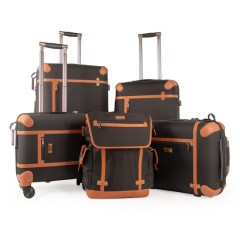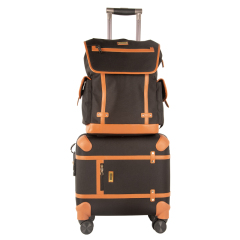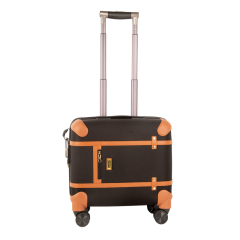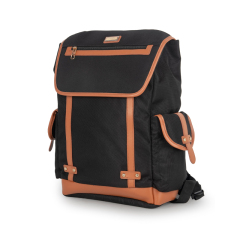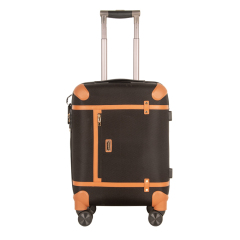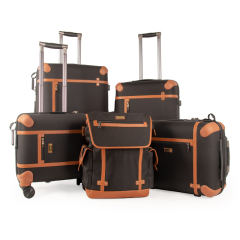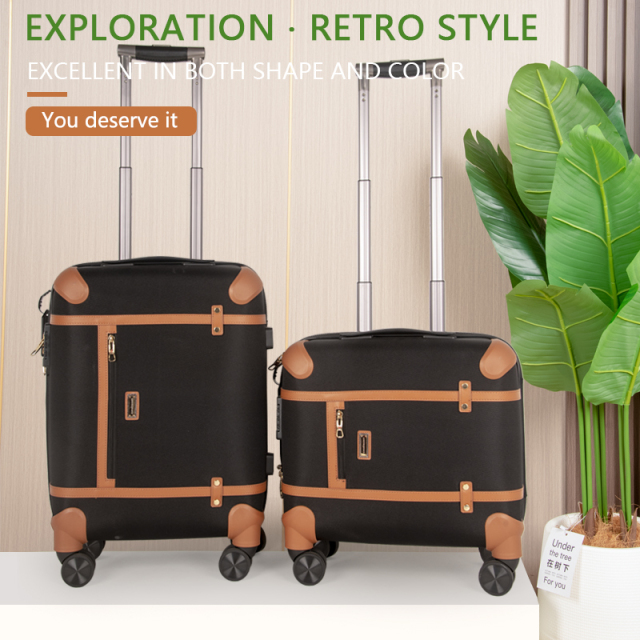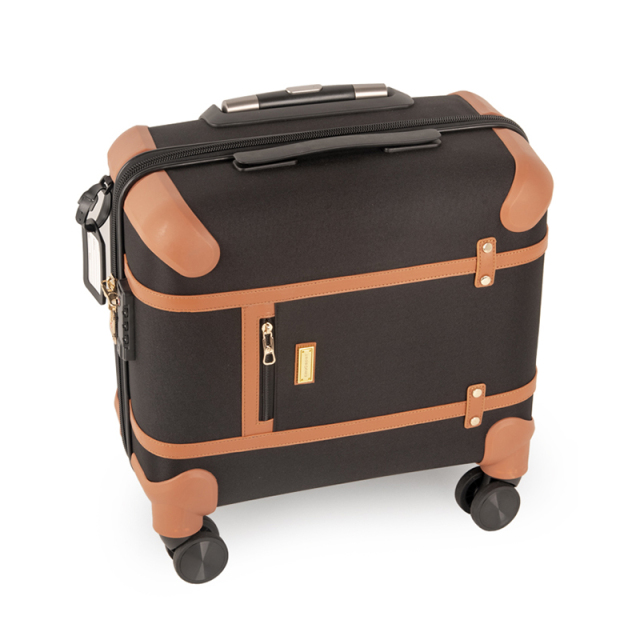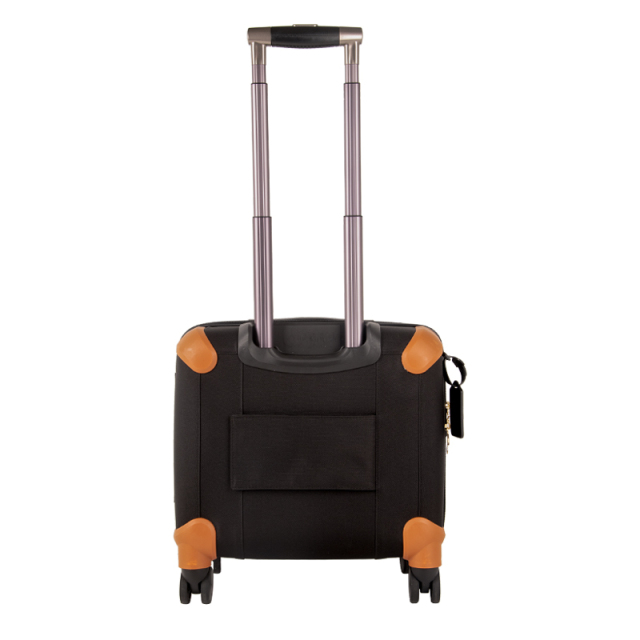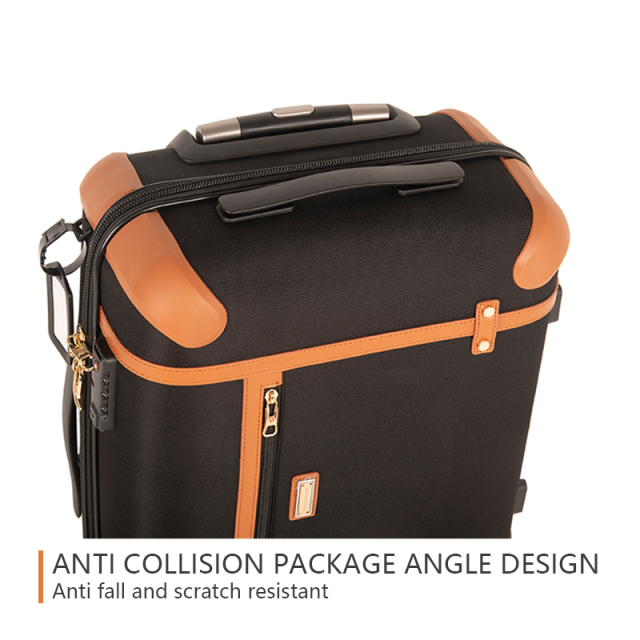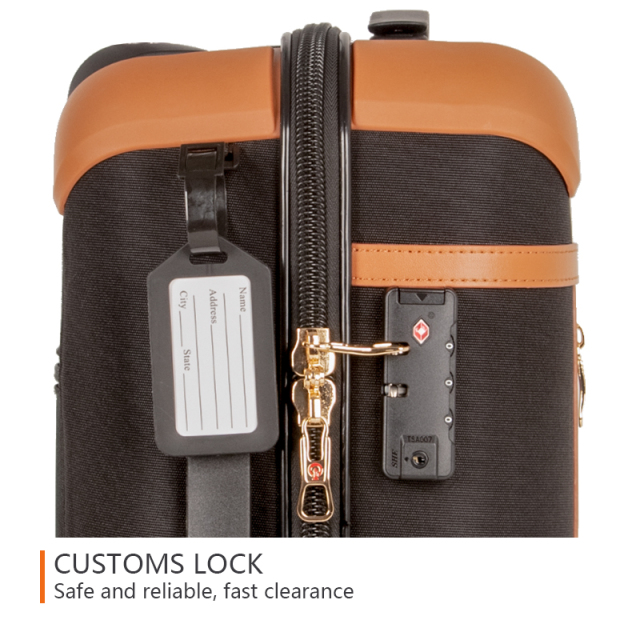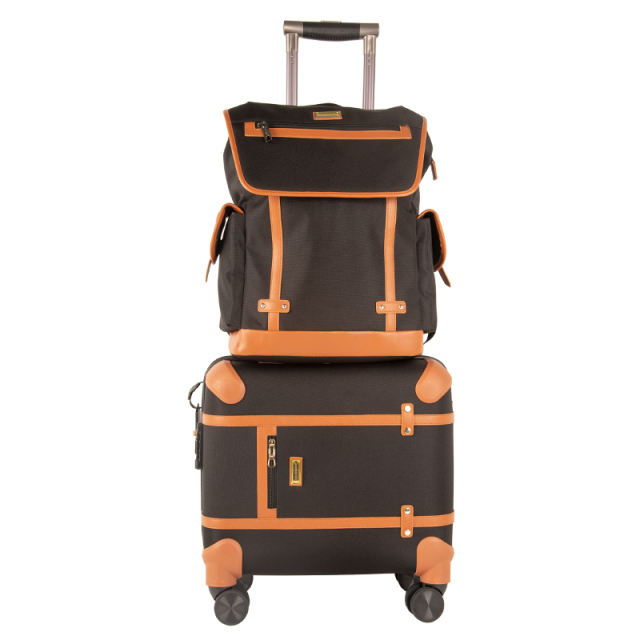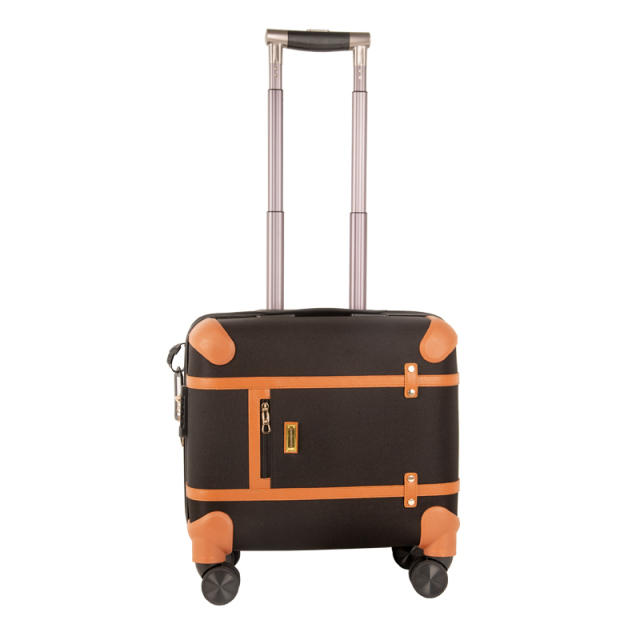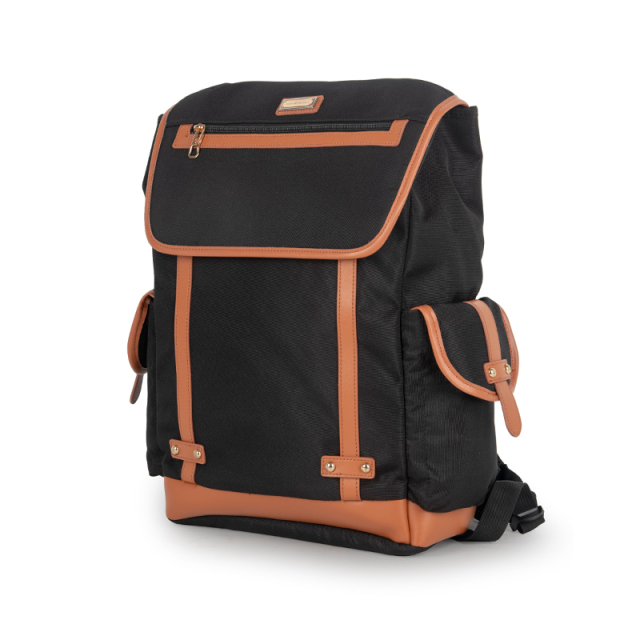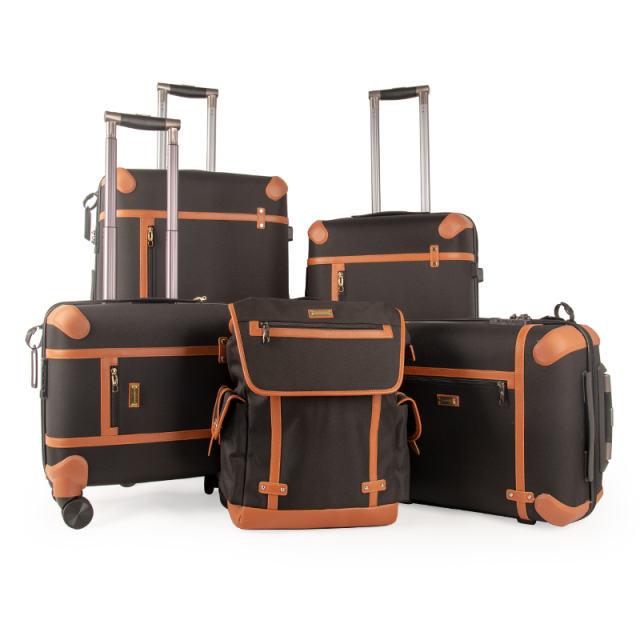
The LB-101166 is a soft-sided travel bag built around a folding structure. With nothing inside, the bag compresses into a small pack that fits a drawer, a suitcase pocket or a stockroom shelf. Opened out, it carries like a holdall, with room for clothing, documents, a laptop and the everyday kit of a trip. The body is a lightweight, high-strength fabric, and the handles, zippers and main seams are reinforced so the bag keeps its shape through repeated transfers.
We produce this model as a travel bag manufacturer supplying distributors, corporate travel departments and study-tour organisers, so it is built to be bought in quantity rather than one at a time. The 16-inch version is a cabin bag, while the 20-inch and 24-inch versions travel as checked baggage. All three sizes share the same folding logic and the same reinforced construction, which keeps a mixed order consistent from carton to carton.
For a buyer assembling a range, the appeal is straightforward. One product line covers short, medium and long itineraries, so a wholesale luggage order can be built around a single shape instead of three unrelated models, with one specification conversation and one set of brand assets.
The bag is aimed at international travel luggage programmes, the kind where units are issued, resold or shipped across borders and where storage volume and shipping weight affect the landed cost as much as the unit price does.
The folding structure is built into the bag rather than added as a separate sleeve. There is no rigid frame to break down, so an empty bag collapses into a compact pack, and a full one gives the whole interior to the load instead of holding space back for a frame.
The body fabric is chosen for strength at low weight. That shows up in two places: on a long walk through a terminal, where a lighter bag is simply easier to carry, and in a vehicle or an overhead bin, where a soft body can be pressed into the space available instead of forcing a rigid shell to fit.
Folded, the bag takes a small fraction of the space it occupies when packed. It stores in a drawer, tucks into another suitcase, or stays in a car boot between trips without being in the way.
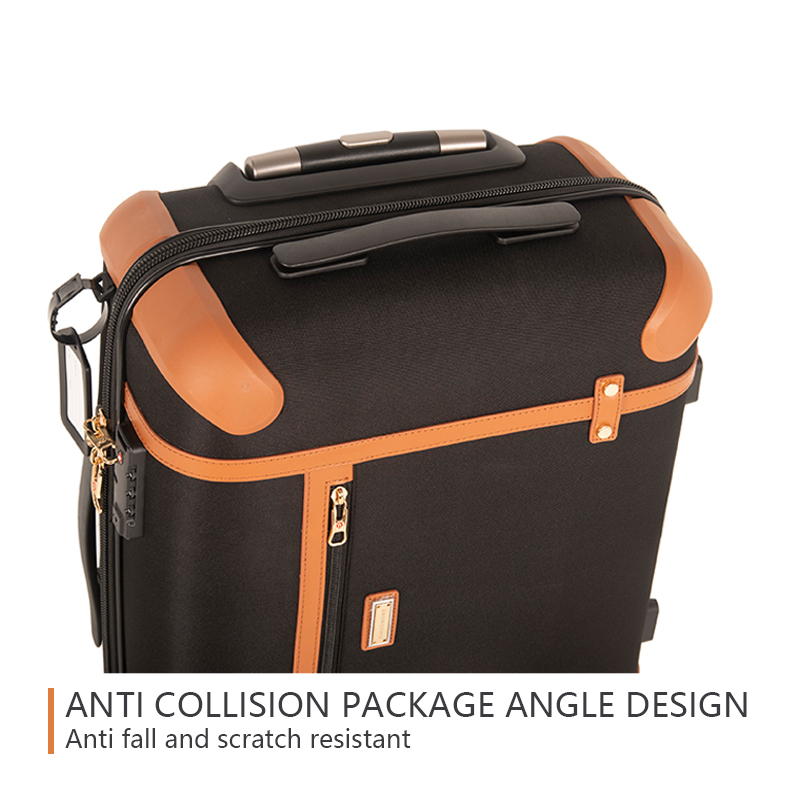
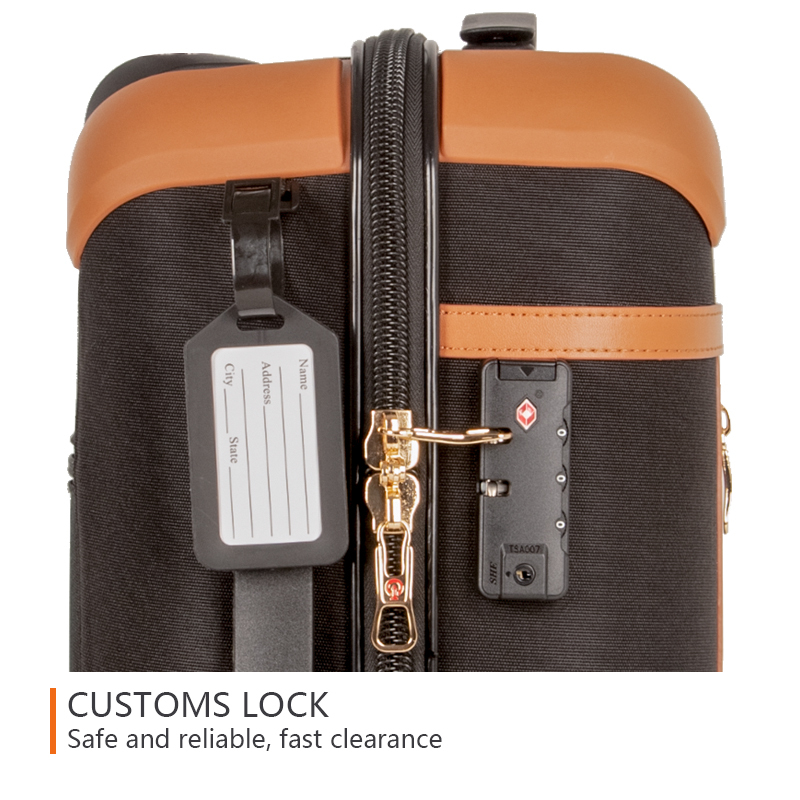
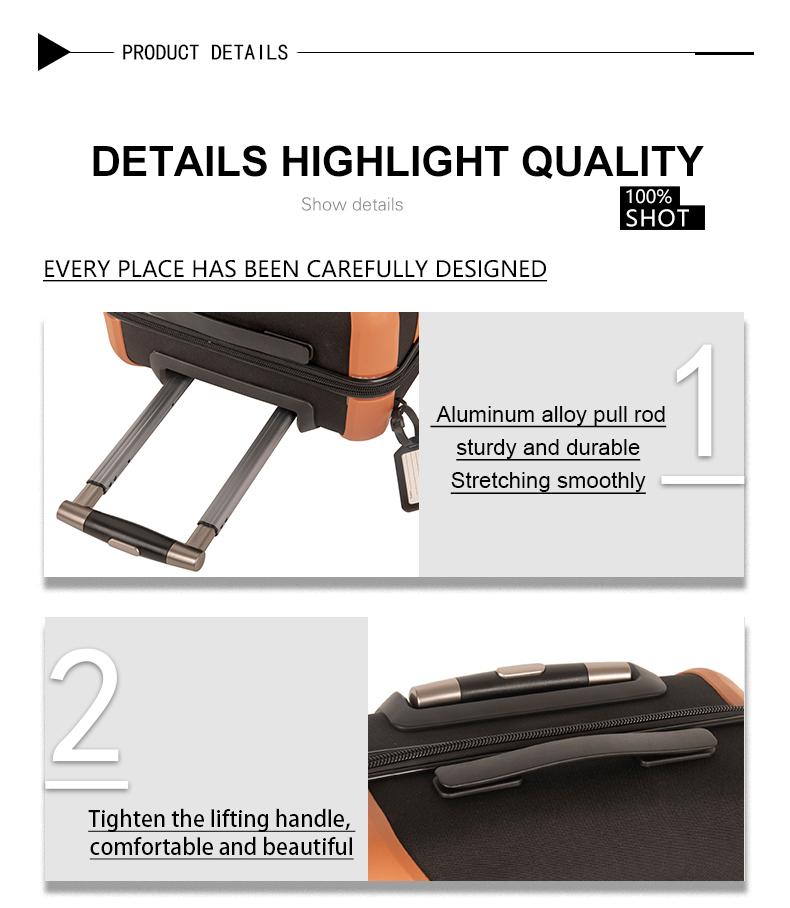
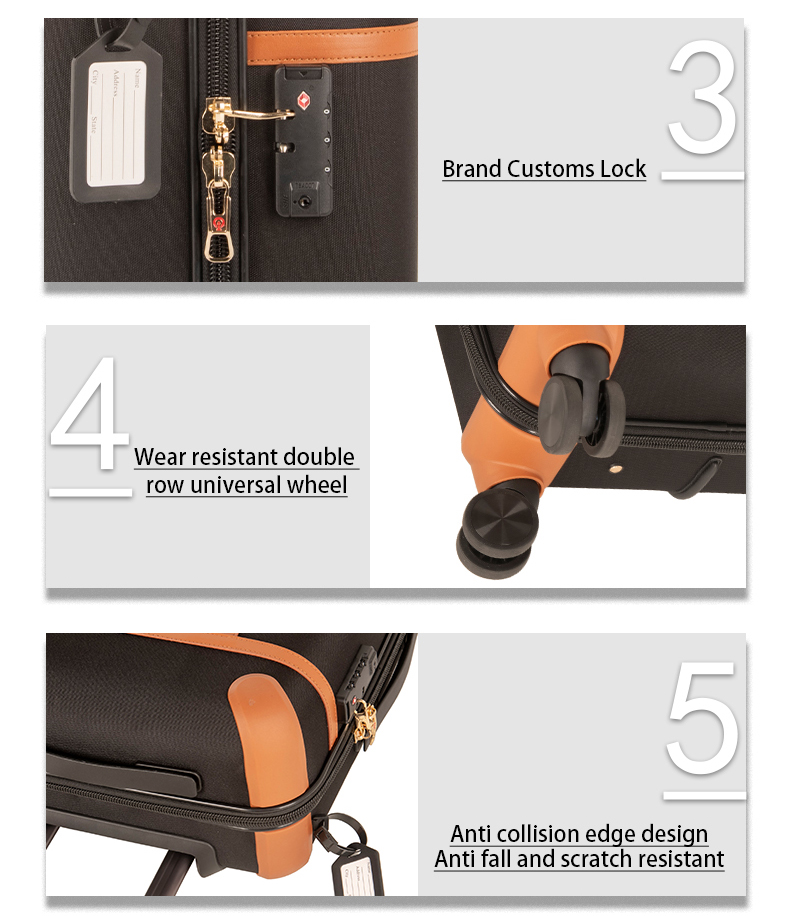
Reinforcement sits at the points that take the load — the handles, the zipper line and the main seams. Those are the first places a travel bag shows wear, and they are stitched and finished to survive the friction and pulling of airport conveyor belts, baggage carts and long-distance transport.
Capacity is generous when open, and the load can be adjusted to the length of the trip: pack it light for two nights, fill it for a week. Because the body flexes, that adjustment is continuous, where a rigid case offers the same internal volume whether you need it or not.
Taken together, these choices make this a piece of durable luggage in the practical sense. Not a bag that survives one holiday, but one that keeps working through the handling soft bags usually fail at first: being over-packed, zipped shut under pressure and pulled off a belt by a single handle.
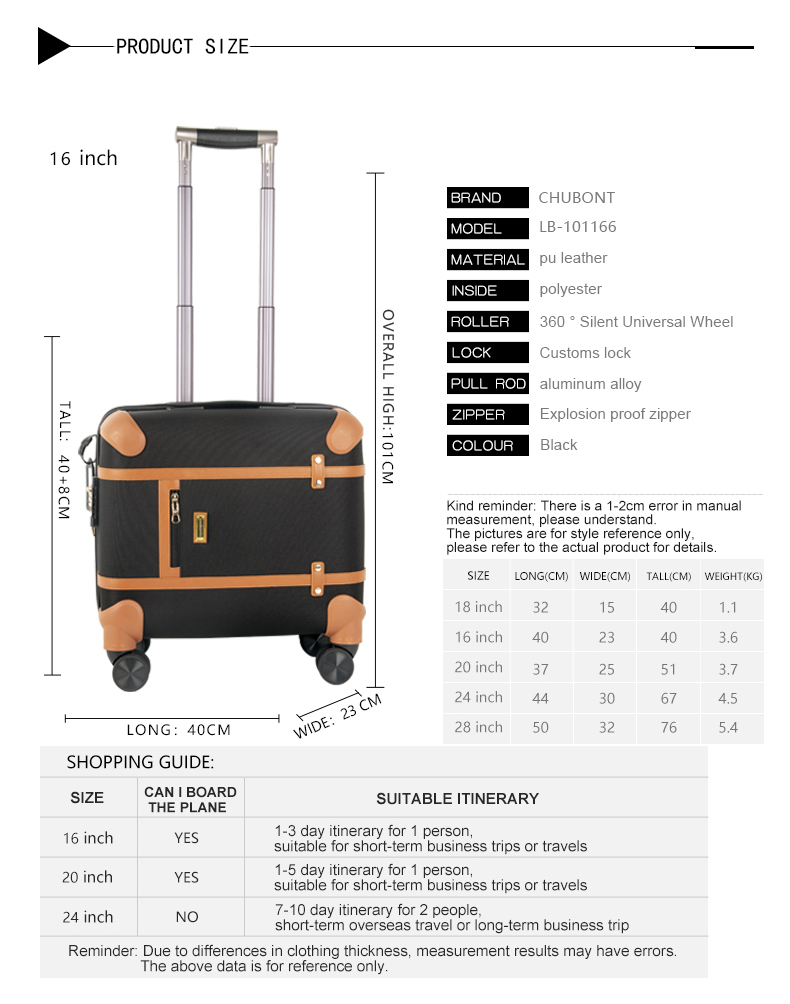
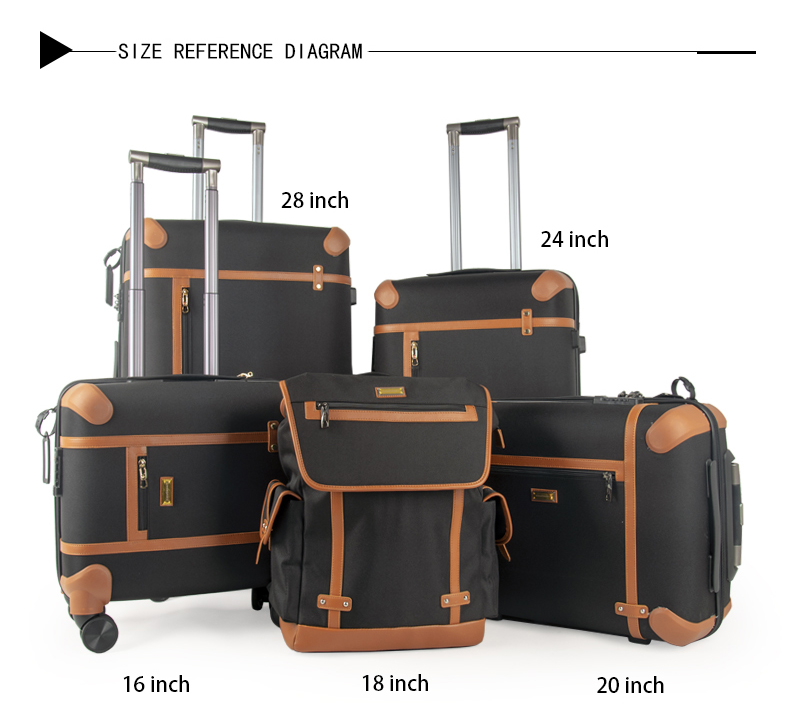
| Size (inch) | 16 | 20 | 24 |
| Can I board the plane? | Yes | No | No |
| Airline sizing | Cabin size | Checked size | Checked size |
| Trip length | 1–3 day itinerary for 1 person | 1–6 day itinerary for 1 person | 7–10 day itinerary for 2 people |
| Typical itinerary | Short-term business trips or travels, and domestic short trips | Short-term business and leisure trips | Short-term overseas travel or a long-term business trip |
| Where it fits in a range | The cabin bag for one traveller | The single bag for a week away | The shared bag for a couple or a long posting |
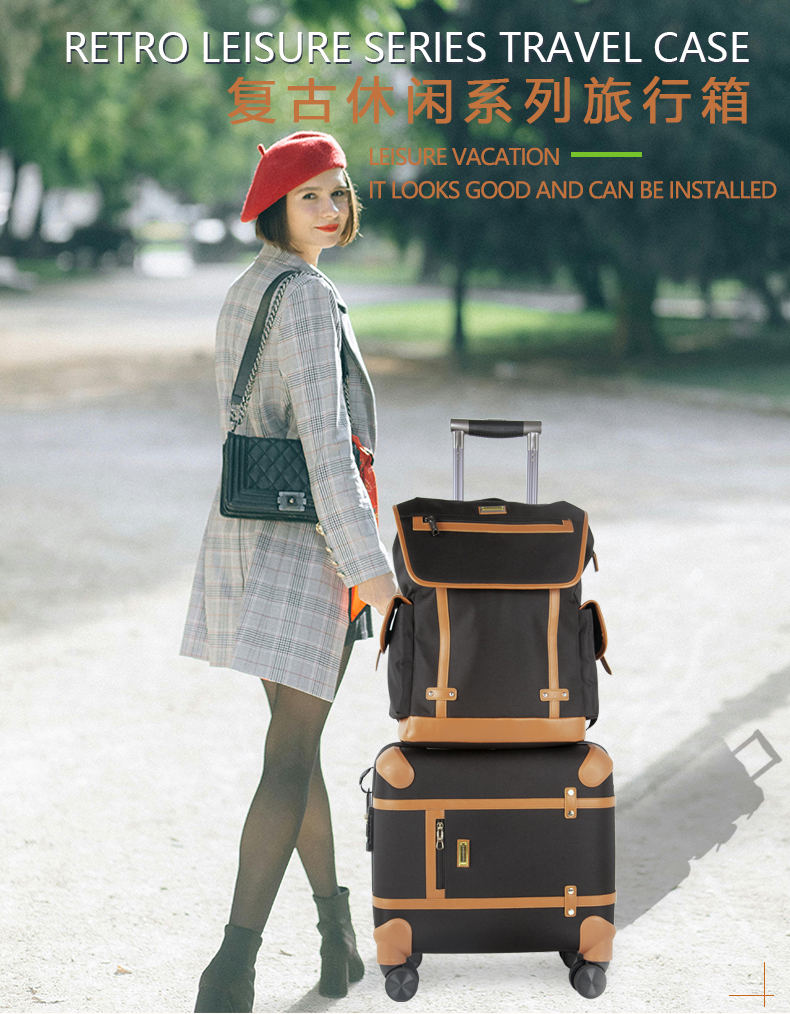
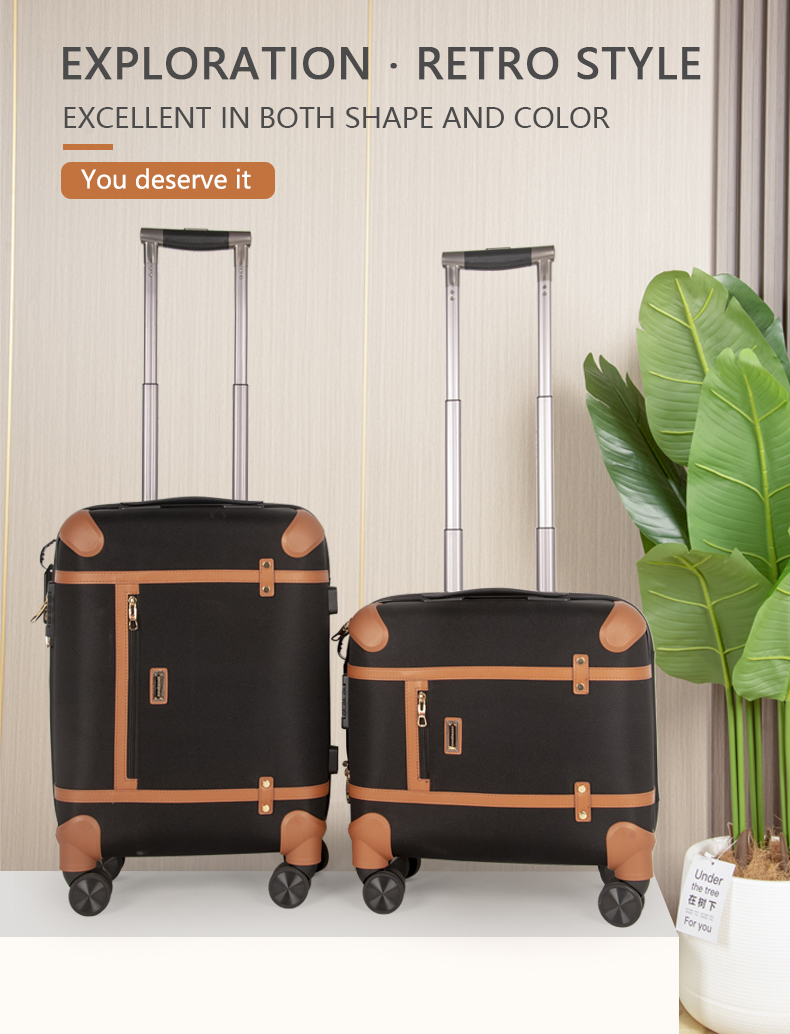
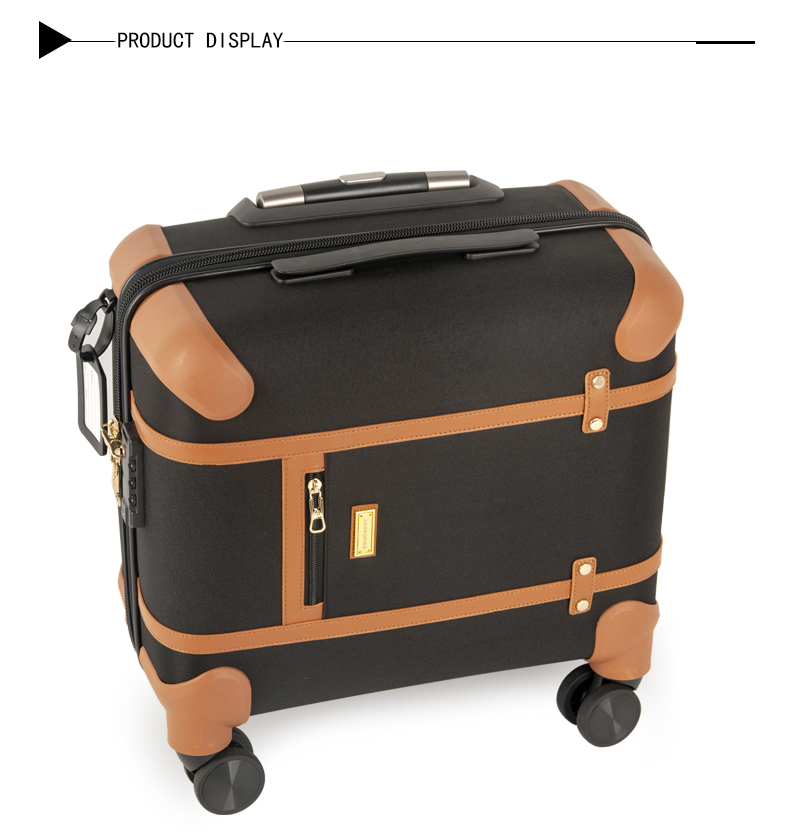
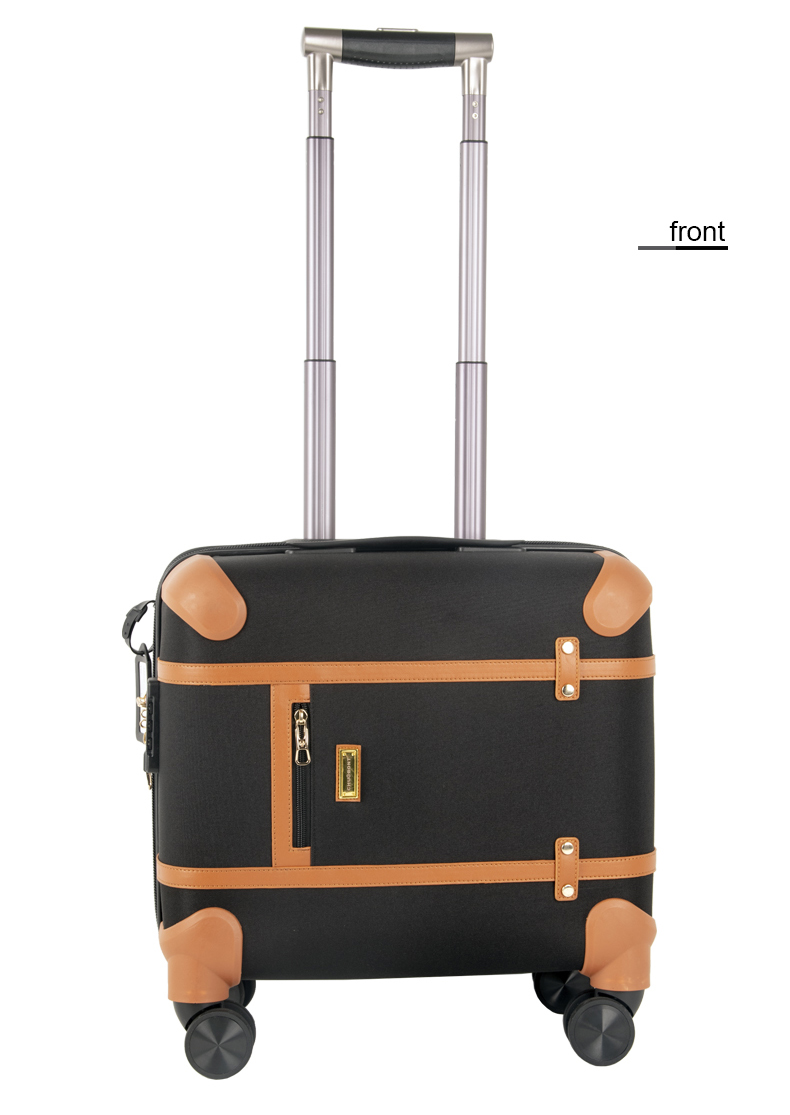
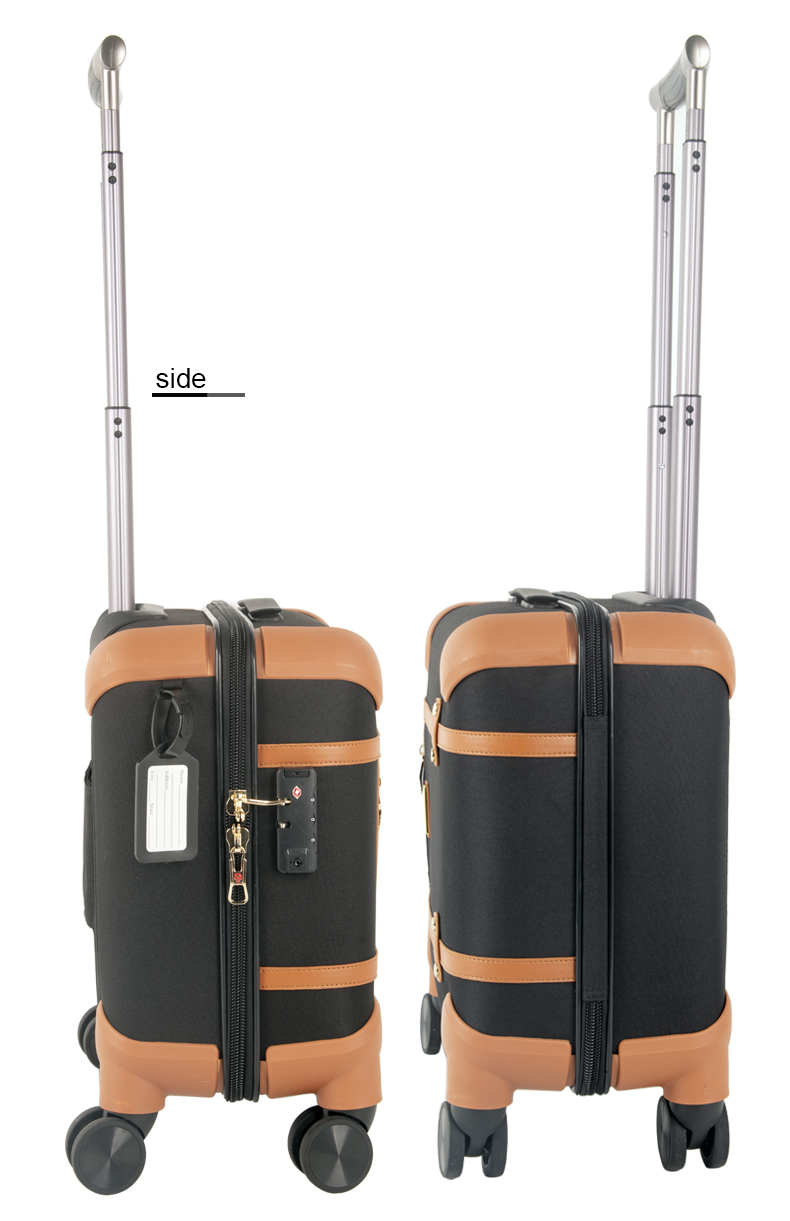
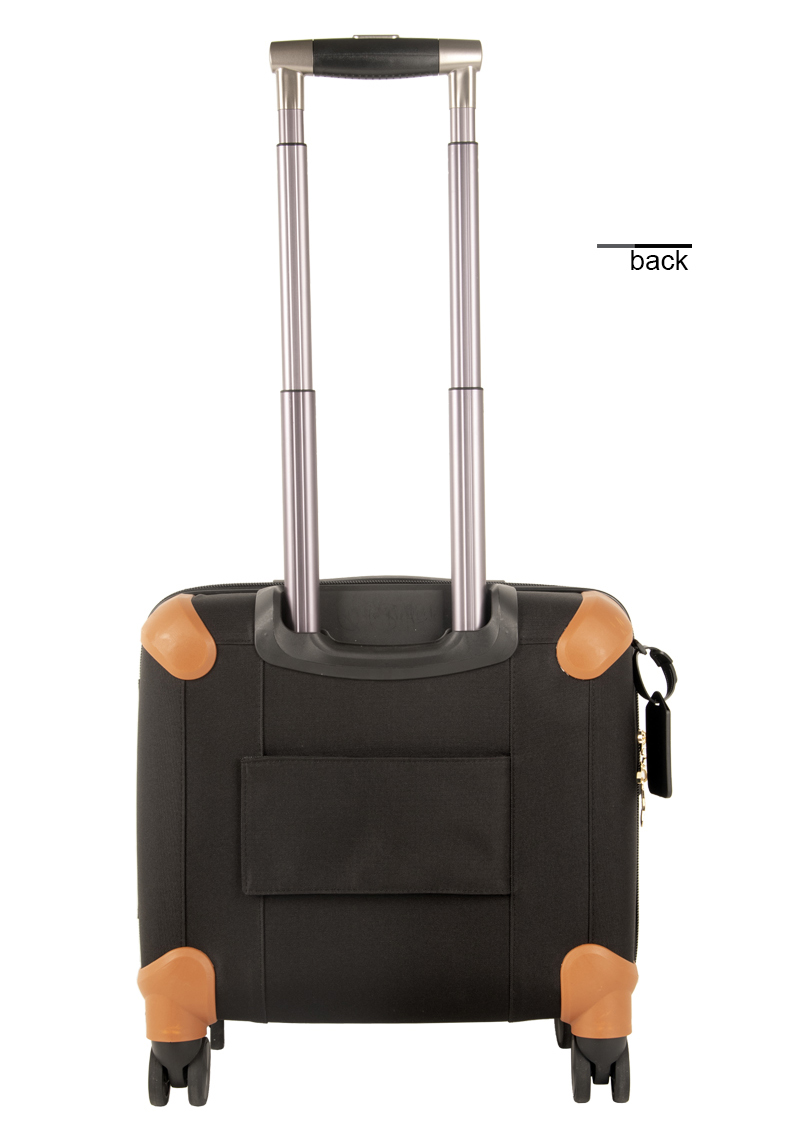
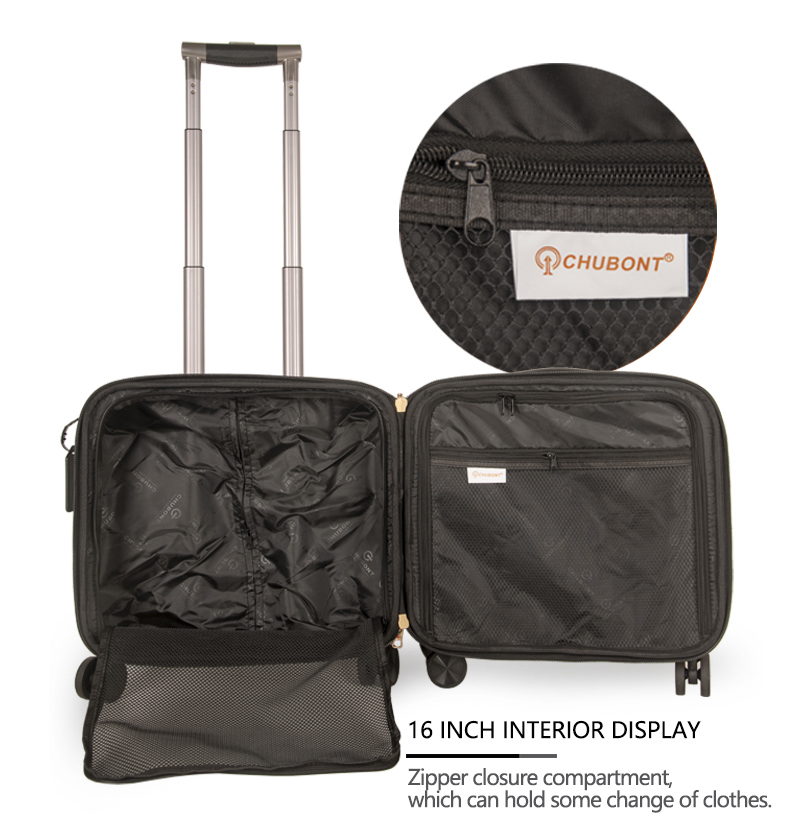
The practical value shows up on the days that matter. For a short flight, the smallest size works as the bag you keep with you: it clears security, goes into the overhead bin and comes out at the other end without a detour to the carousel, which turns a tight connection into a comfortable one.
For longer trips the middle and largest sizes hold several days of clothing, a laptop and toiletries, and because the body flexes it takes the extra pair of shoes that a rigid case at the same size would refuse. On the return leg there is room for what was bought along the way.
Packing density is the one variable to keep in mind. Bulky winter clothing takes up noticeably more room than summer layers, so treat the day ranges as a guide rather than a measurement, and check the current cabin limit of the airline you are flying before choosing between the cabin size and a checked one.
The construction is what makes that flexibility last. A soft bag is pressed, folded and shoved far more often than a hard case, and the reinforced seams and fittings are what keep it in service rather than a one-trip extra.
Transfers are where a bag earns its keep. Between a terminal train, a bus bay and a taxi rank, a soft bag can be lifted, squeezed and stacked in ways a rigid case cannot, and there is no shell waiting to be dented on a kerb or a platform edge.
- One model, three trip lengths — the smallest covers 1–3 day solo trips, the middle 1–6 days for one person and the largest 7–10 days for two, so a shelf set or a corporate issue can be built from a single product line. - Cabin-ready at the smallest size — the compact model stays with you through security and goes straight into the overhead bin, which takes the check-in queue and the carousel wait out of a short trip; it does the work of a carry on travel bag on routes where checking a bag costs time. - Full capacity the moment it opens — the bag packs like a soft holdall, flexing around what goes in rather than refusing it, and the load can be adjusted to the length of the trip. - Reinforcement where bags fail first — stitching, zippers and handles are reinforced, and the stress points and seams are built for the pulling of conveyor belts and long-distance transport. - Light in the hand and on the back — the fabric body keeps the empty weight down, so the bag can be carried by hand or on the back for a long stretch without the extra heft of a shell. - A business travel bag that stores as a spare — folded, it takes a fraction of its packed size, so it can be sold or issued as a second bag rather than a replacement.
Short exchange programmes and study tours put a different load on a bag. A student needs textbooks, a change of clothing and everyday kit for a few weeks, plus somewhere safe for a passport, a laptop and a phone. The 16-inch size handles documents, devices and valuables as carry on luggage that stays with the student through the airport, while the larger sizes take the seasonal clothing and study materials that have to travel in the hold.
For a school or university issuing bags to a group, the standardised size range makes the logistics simpler. One model, three sizes, allocated by the length of the programme, and a group moving through an airport looks and behaves like a group. Because folded bags take up very little room, spare units can be kept on campus between intakes without a storage problem.
The same bag then lives in a dormitory. Folded, it slides under a bed or into a wardrobe; opened, it becomes the carry on travel bag for weekends away, trips home and the return trip at the end of term. The flexible body also copes with being packed and unpacked every few days, which is the rhythm of student travel rather than the once-a-year rhythm of holiday luggage.
There is a benefit for the institution as well. A single model across a cohort means one specification, one reorder conversation and one spare-bag pool, instead of a mixed collection of luggage that all behaves differently.
Distributors, cross-border sellers and gift companies buy this bag for one structural reason: folded units take a fraction of the space of an assembled case. More pieces fit into the same shipment, the warehouse footprint per unit falls, and the cost of moving a wholesale luggage order across borders drops with the volume it occupies. For a buyer testing a new line, that is what makes a pilot order work commercially before a full container does.
The size range does the assortment work. A stockist can carry the 16-inch as a compact entry, the 20-inch as the volume seller and the 24-inch for couples and longer trips, all from one product line and one set of brand assets. Because every size shares the same construction and hardware, a shelf set reads as a family rather than three unrelated bags.
Customisation runs through our own design and production teams. ODM modifications, logo printing and fabric colour customisation are supported, and private mould work plus brand logo printing let a distributor build an exclusive travel line for its market. Working directly as a travel bag manufacturer keeps the specification conversation in one place, which is what stops a private-label range from drifting between the first order and the fifth.
Repeat orders are where a range either holds together or falls apart. Buyers who need custom luggage rather than a stock item want the second shipment to match the first in fabric shade, hardware and carton labelling, and that comes down to keeping one model in production across sizes and colours instead of re-sourcing each season.
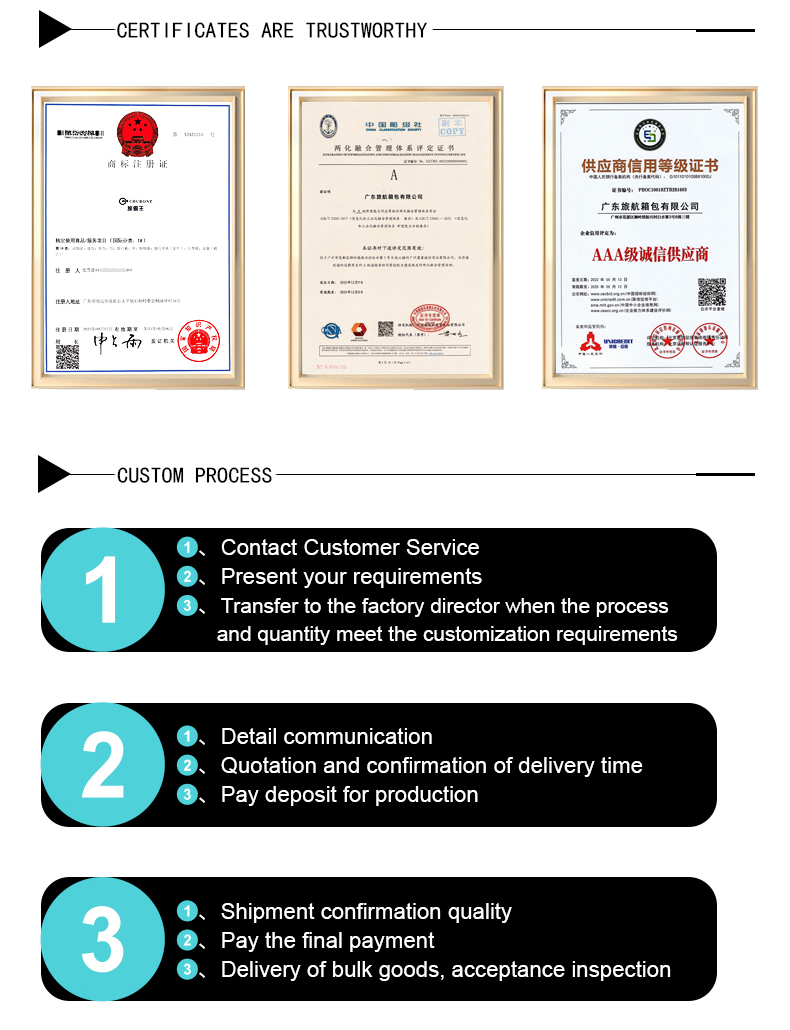
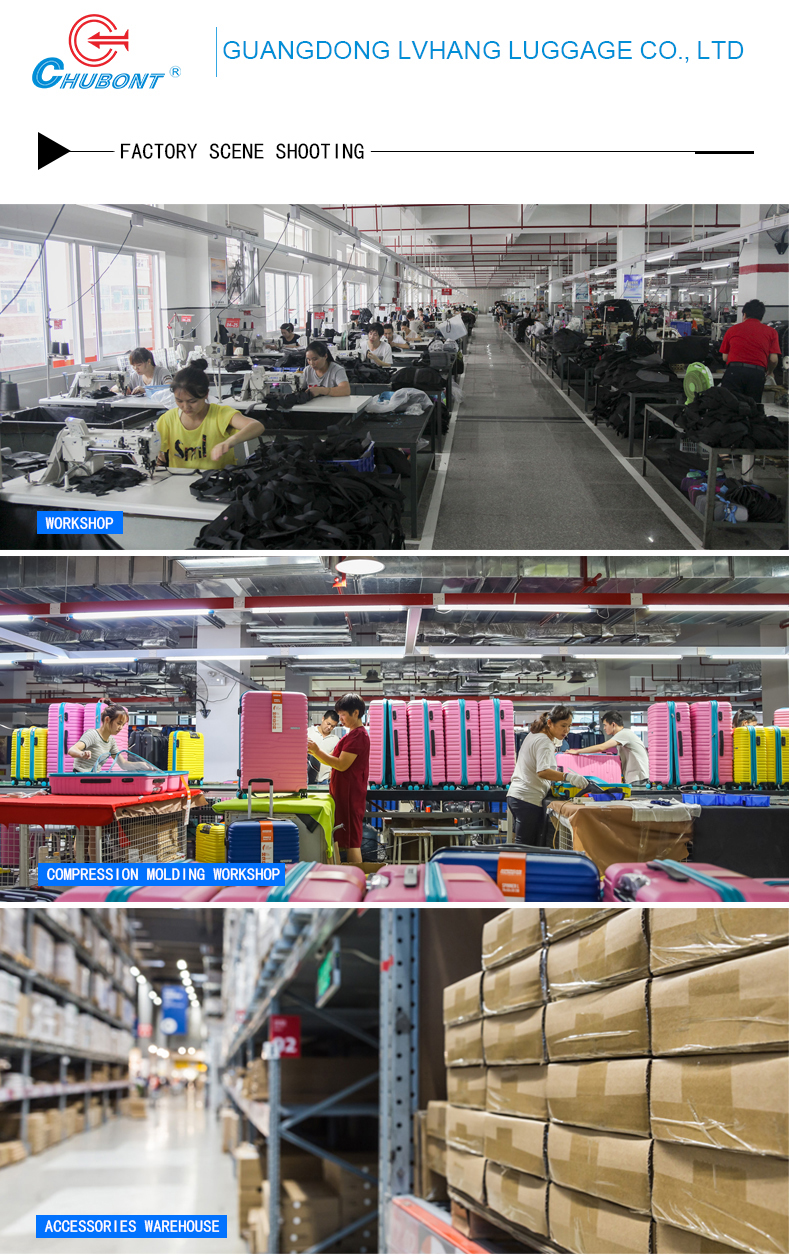
Every CHUBONT order passes five checkpoints inside our own workshops: incoming materials, pre-production samples, in-production patrols, finished-goods review, and a final pre-shipment check against the order. Batch records are kept, so buyers can see what was checked and when. You are welcome to send your own QC team, or appoint an independent inspector such as SGS or BV, to verify goods before they leave, and we support factory audits and on-site monitoring while production runs. Shipping marks, packing lists and carton labelling are confirmed against your instructions before loading.