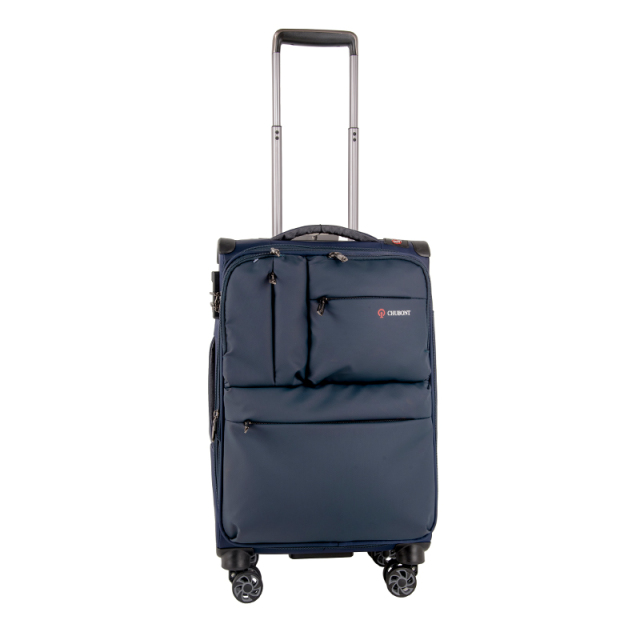
Product Overview
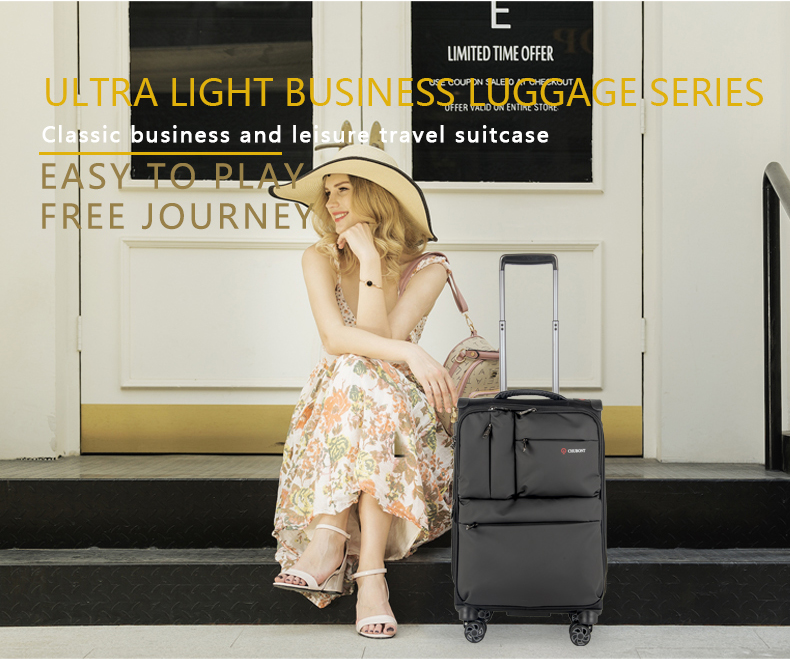
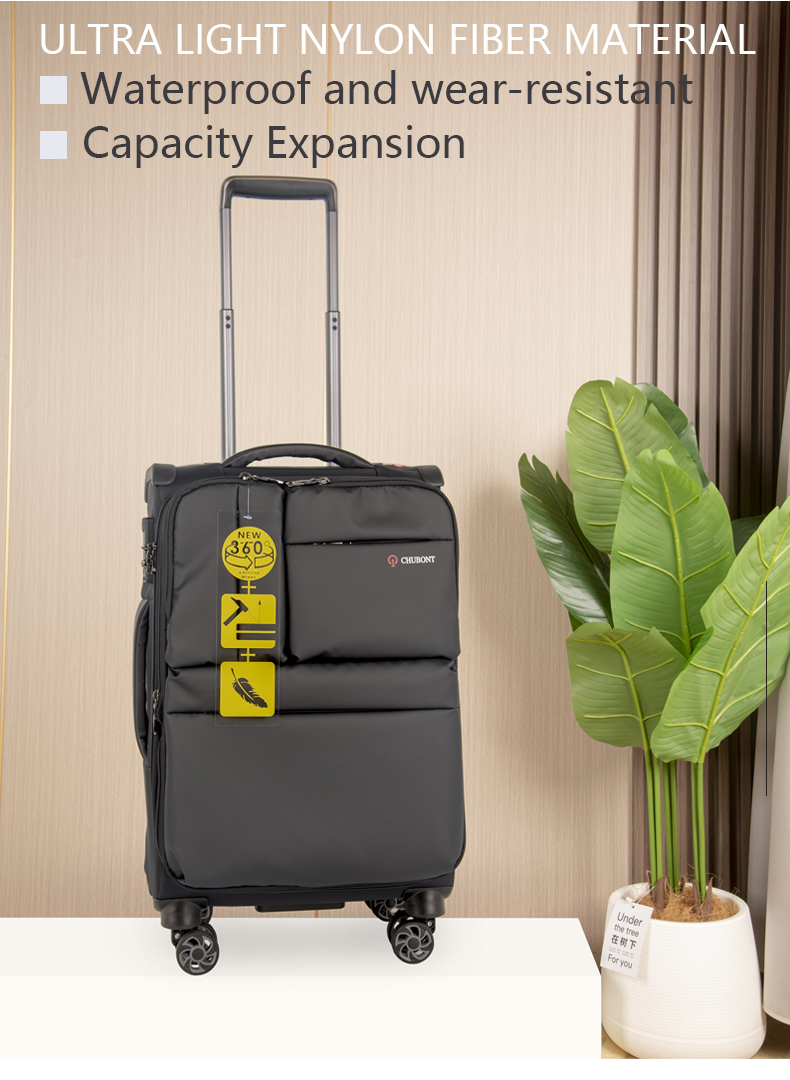
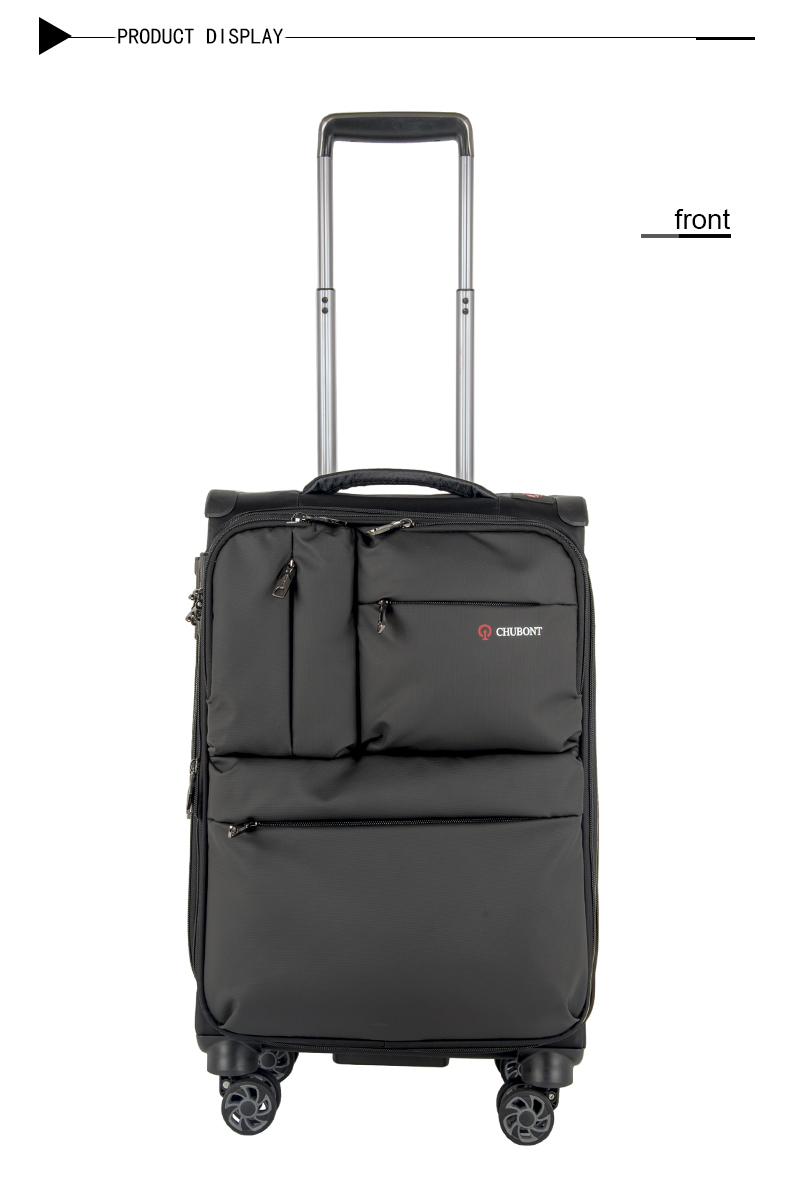
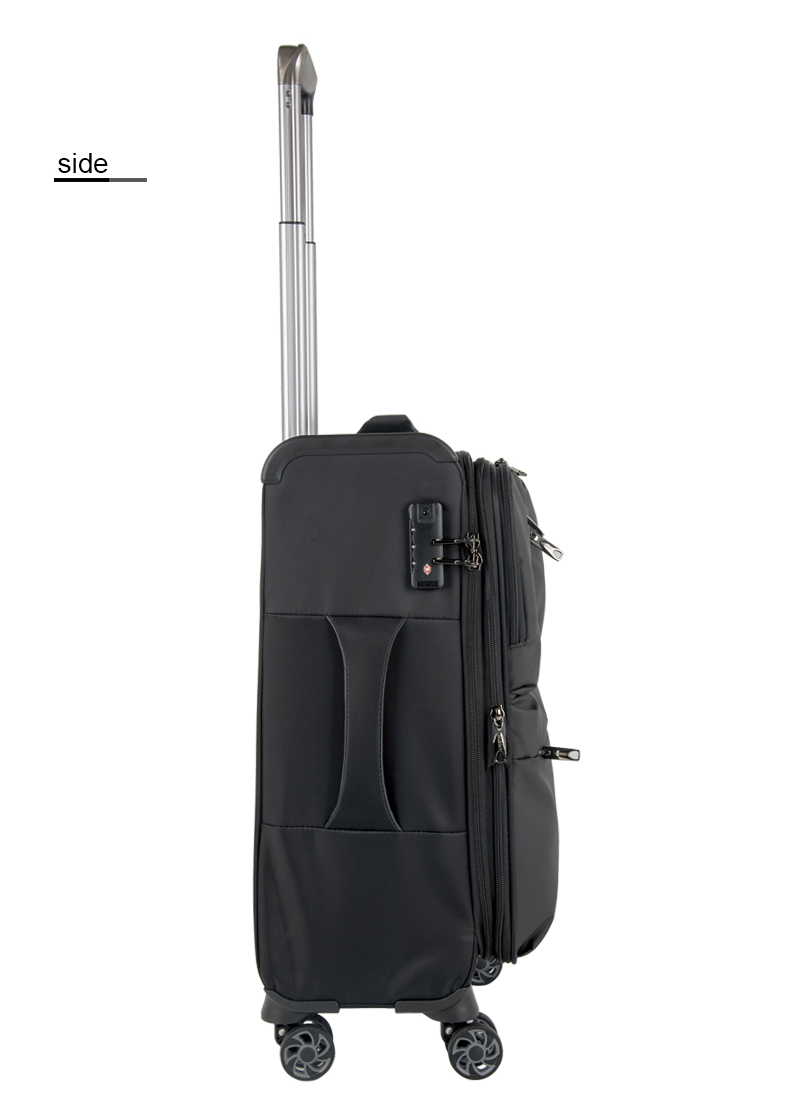
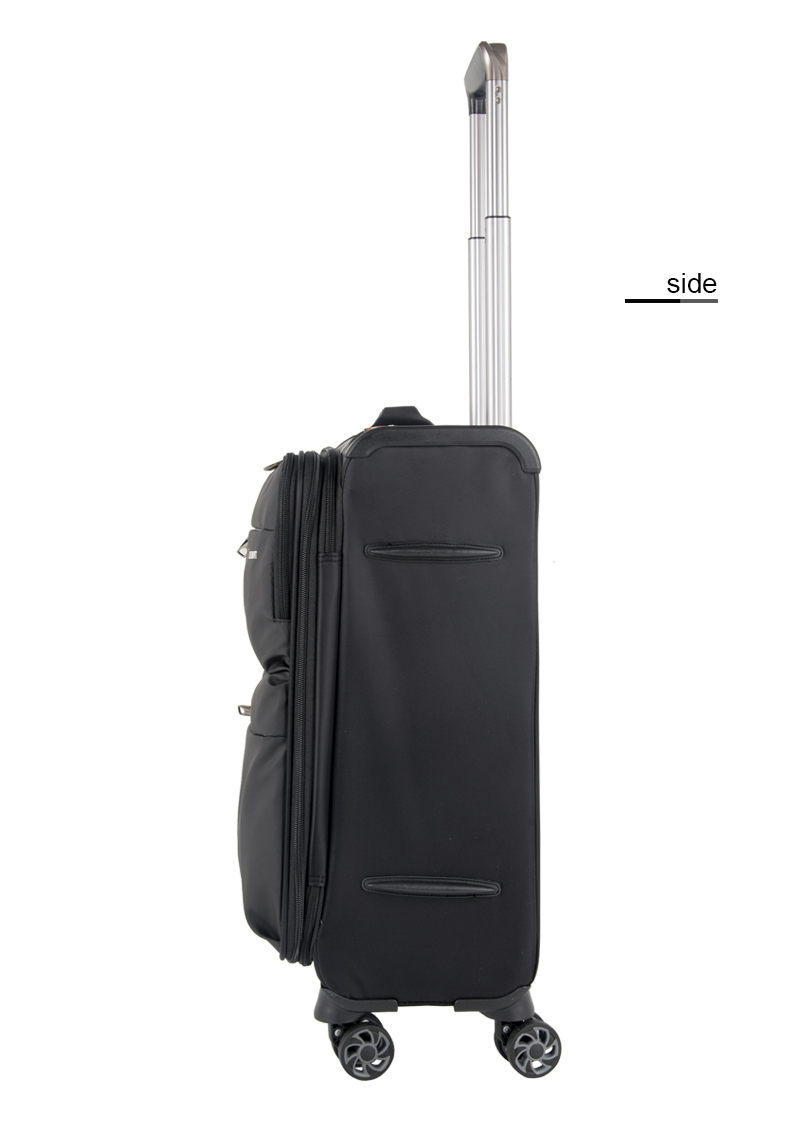
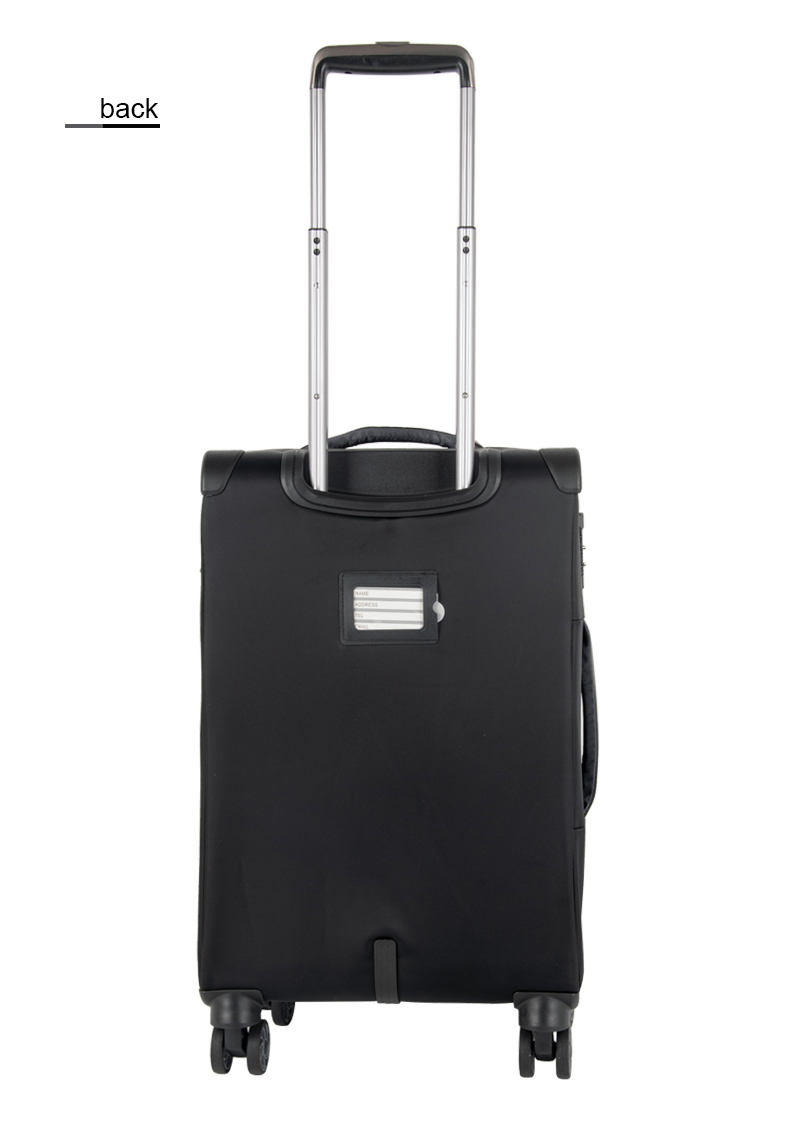
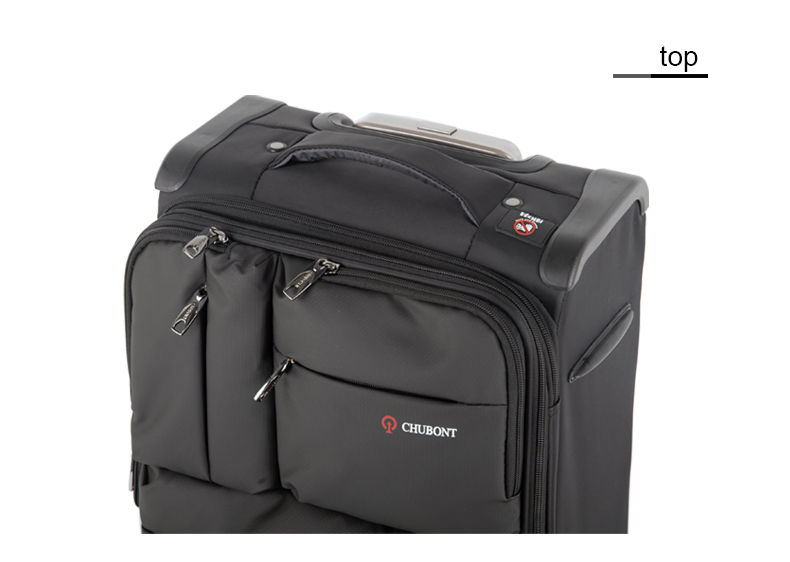
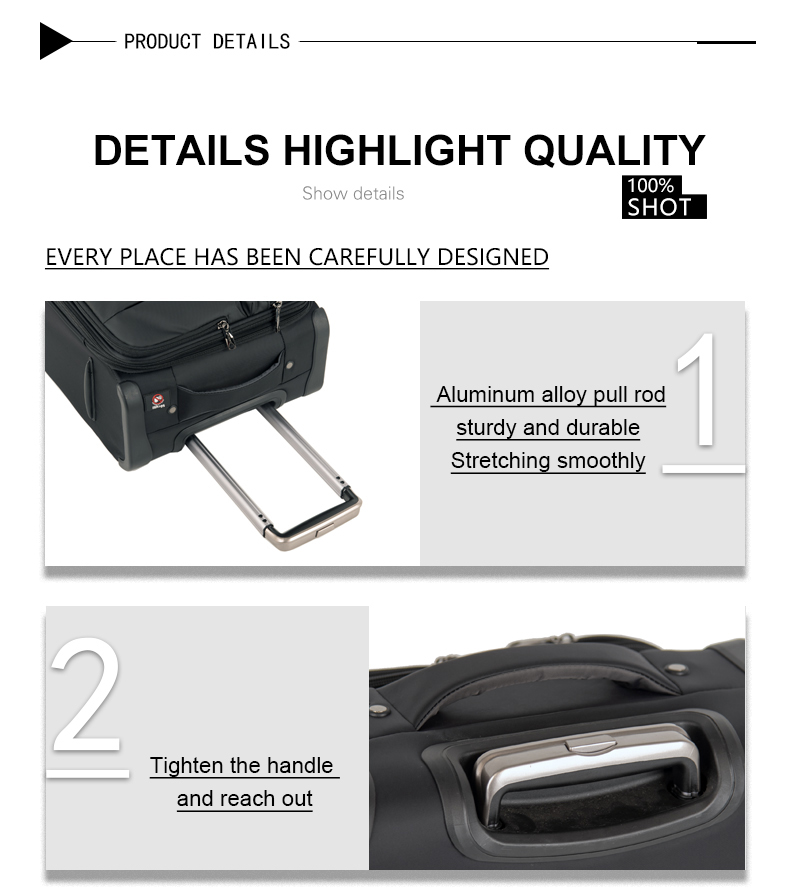
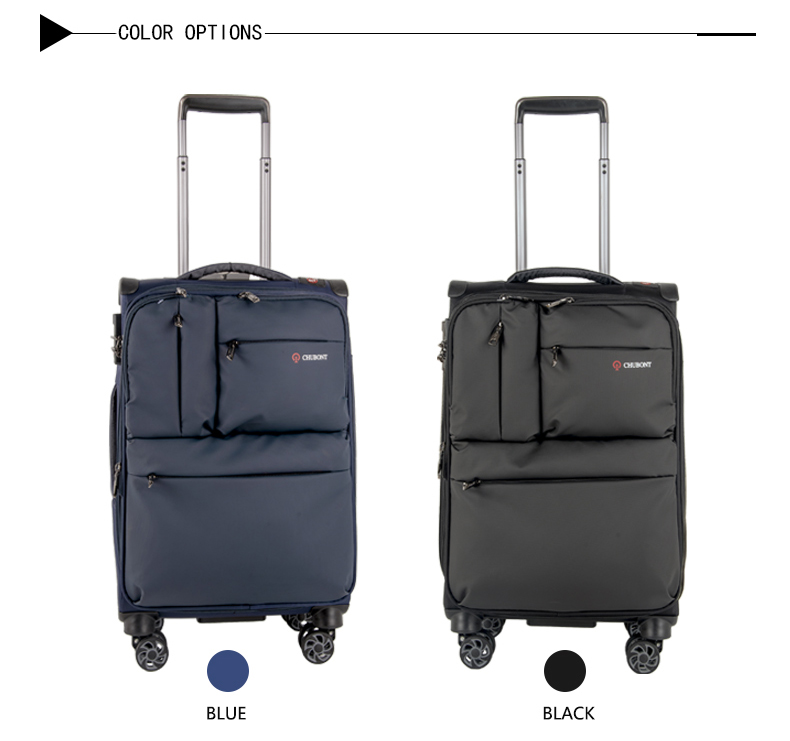
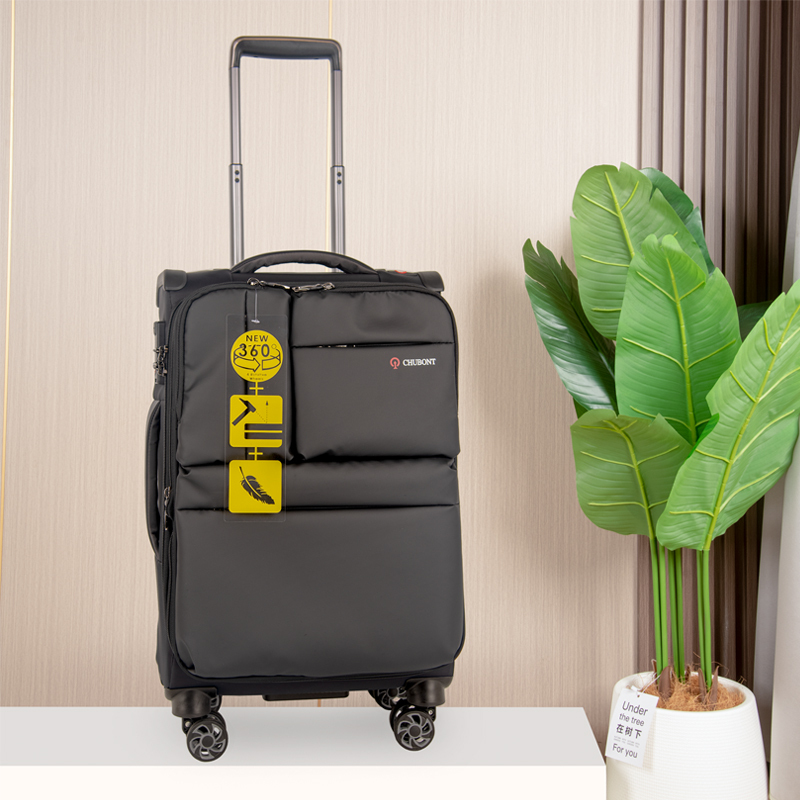
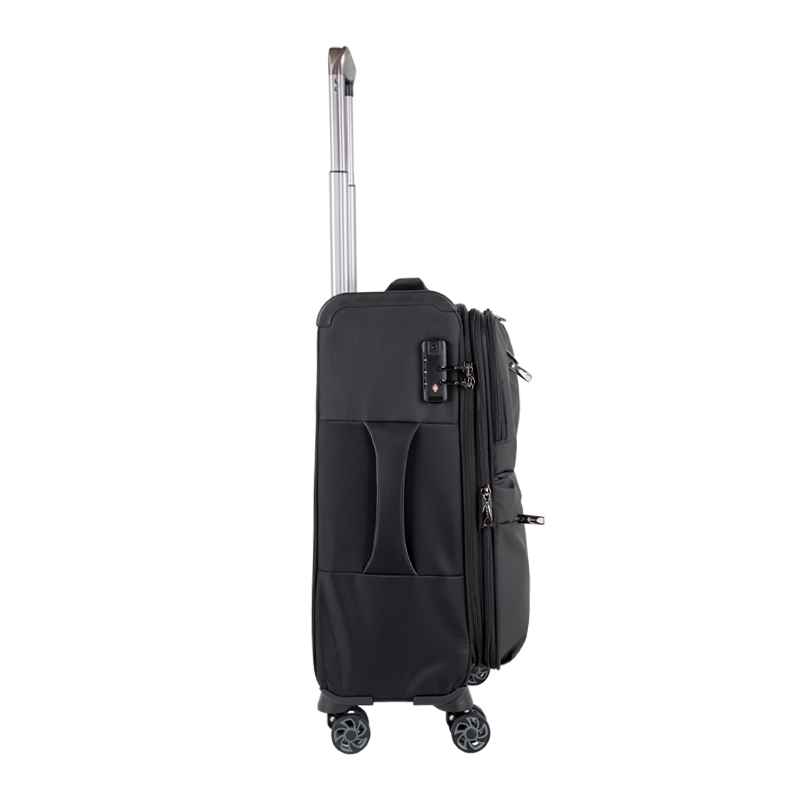
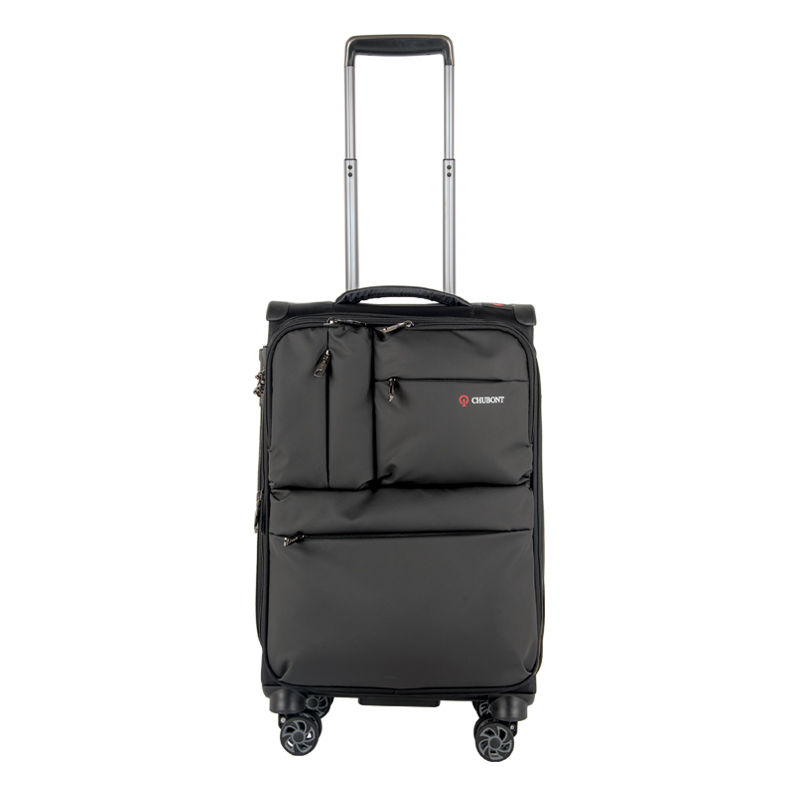
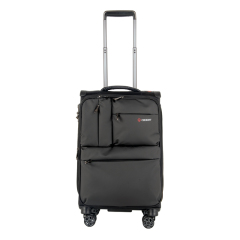
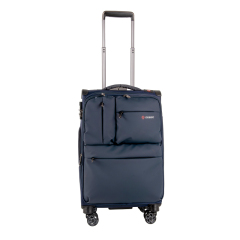
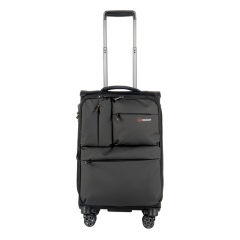
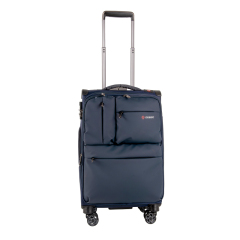
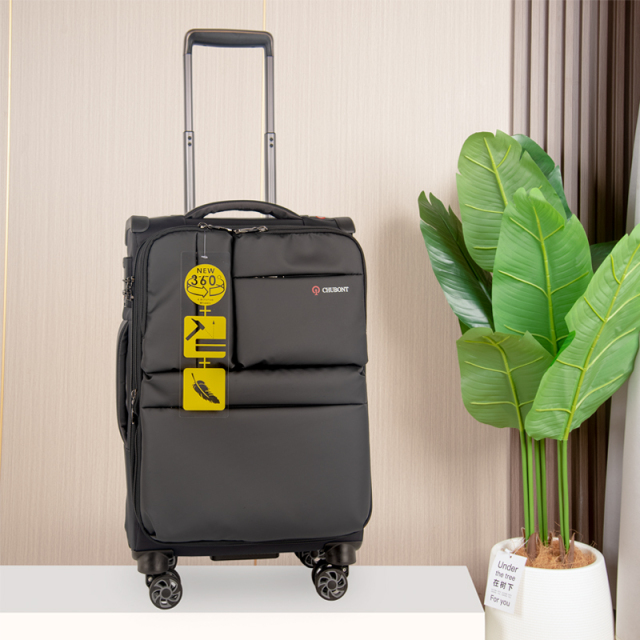
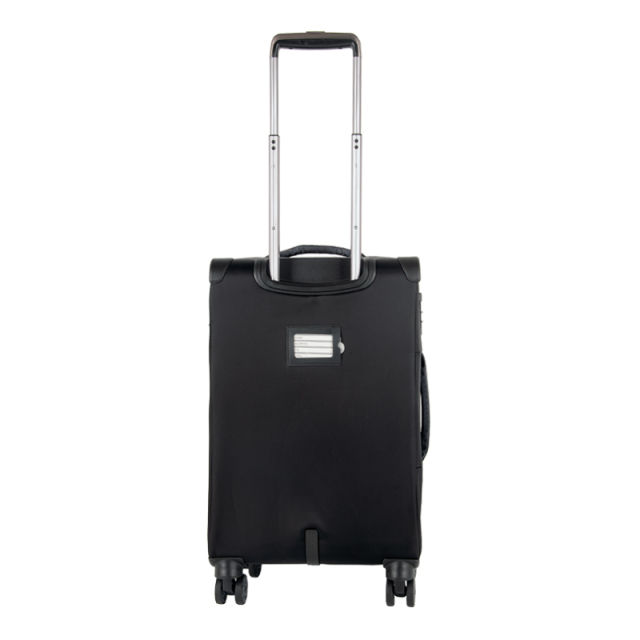
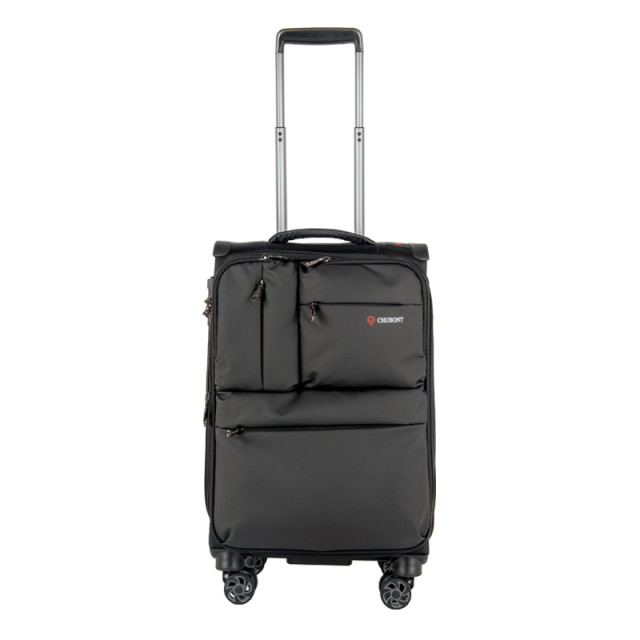
This carry-on is built around a simple trip profile: one traveller, a short business or city break, and a bag that stays with you instead of going to the carousel. The shell is waterproof nylon with a scratch-resistant outer coating, so the case is meant to handle light rain, damp airport transfers and the kind of rubbing that comes from conveyor belts, taxi boots and hotel corridors. A reinforced internal frame holds the softside body in shape while keeping the packed weight off the fabric panels. Black and blue are the listed colour options. The front zippered pockets keep travel documents and a small laptop separate from the main load, and the top and side handles give a second way to carry the bag on stairs or when lifting it into an overhead bin. The softside body, telescopic handle and 360° wheel base keep the look and handling consistent across the range, and the same construction is used for custom luggage, while the 20-inch size stays the cabin option.
Carry-On Use & Cabin Handling
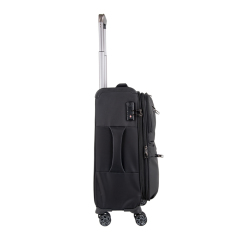
The cabin routine starts with the telescopic handle: pull it up, tilt the lightweight spinner carry on luggage and let the four wheels take the weight. Because the wheels rotate independently, the bag can move sideways in a crowded aisle or turn tightly around a seat row without being lifted. Heavy items should sit in the compartment closest to the wheel base; that lowers the centre of gravity and makes the bag less likely to tip when it is standing upright. Use the soft top and side handles for stairs, train steps and lifting the bag into an overhead bin; gripping the handles rather than the fabric keeps the wrist straighter and the shell under less strain. Keep an eye on weight restrictions when packing, because an overfilled cabin bag is harder to lift and puts pressure on the zippers. Close the case without forcing the zip: excessive compression can damage the nylon waterproof layer, pull the zipper teeth and stress the internal reinforcing frame. Leave 10%-20% of the interior free for souvenirs and small items picked up during the trip, and the bag will close more easily and hold its shape better.
Wheel, Zipper & Impact Construction
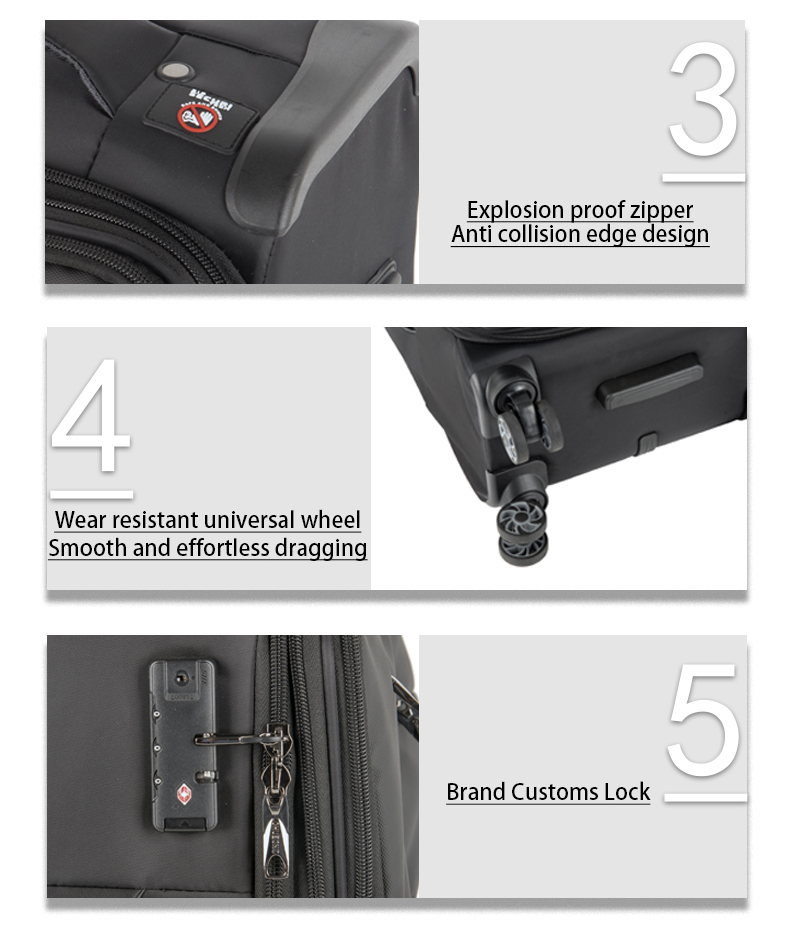
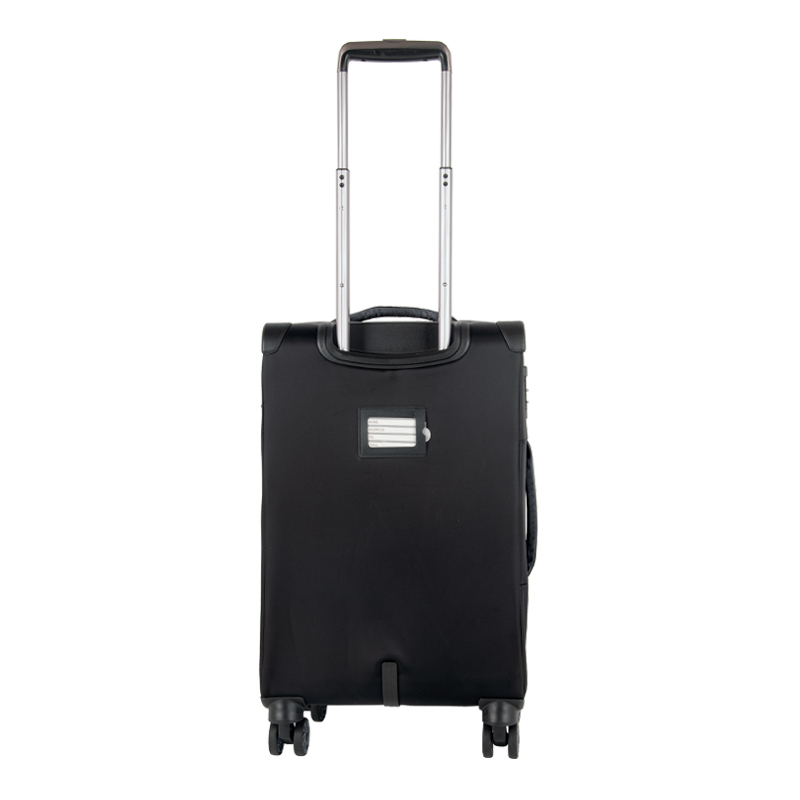
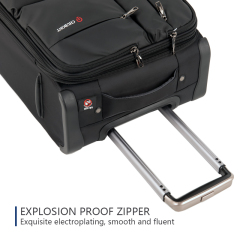
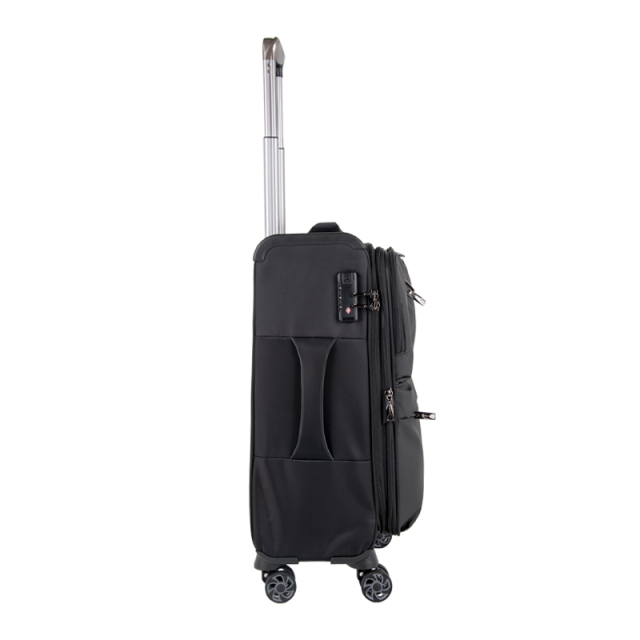
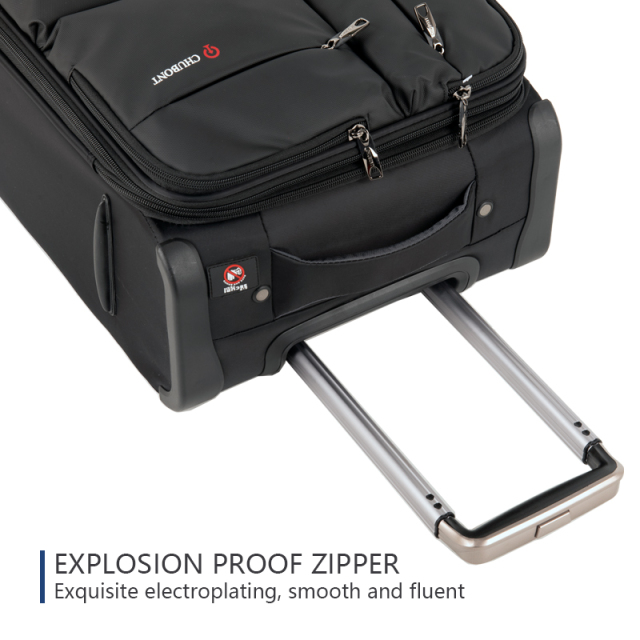
On this spinner carry on luggage, the base carries four multi-directional wheels on durable axles. Each wheel swivels independently, so the case can move sideways along a seat row, turn in a narrow aisle or be pushed with one hand while the other holds a boarding pass. The wheel housings are set into the base rather than glued onto the outside, which gives the axle a protected seat when the bag is lifted over a curb or set down on a train platform. The main zipper is a heavy-duty closed-end zip, and the pulls are sized for a firm grip; zipper performance is checked through in-house QC and third-party AQL inspection as part of the order. Impact resistance comes from the combination of the reinforced frame and the softside shell: the fabric gives slightly under a knock, the frame spreads the load, and the bag returns to shape instead of cracking. The front pockets have their own zip lines, so overloading one section does not pull the main closure out of alignment.
The bag is built as a modular softside case: a lightweight waterproof nylon shell over an internal reinforced frame, with the handle, wheel base and zip anchors tied into the same structure. The frame does not sit in the packing space as a separate box; it runs around the body and gives the case its shape when the main compartment is full or half empty. That matters for a carry-on that is opened and closed several times a day: the shell does not sag into the clothing, and the zip line stays straighter, so the pull is smoother. Wheel axles and handle mounts are fixed to reinforced points rather than the fabric alone, which is the difference between a bag that rolls for a season and one that starts to lean. The modular layout also means the main compartment, front compartment and mesh pockets can be packed independently; a wet umbrella or a pair of shoes does not have to share space with a clean shirt. Across a size range, this construction gives wholesale luggage buyers a consistent base to compare colours, lining and branding against, rather than a different internal build in every size.
Large-Capacity Internal Storage
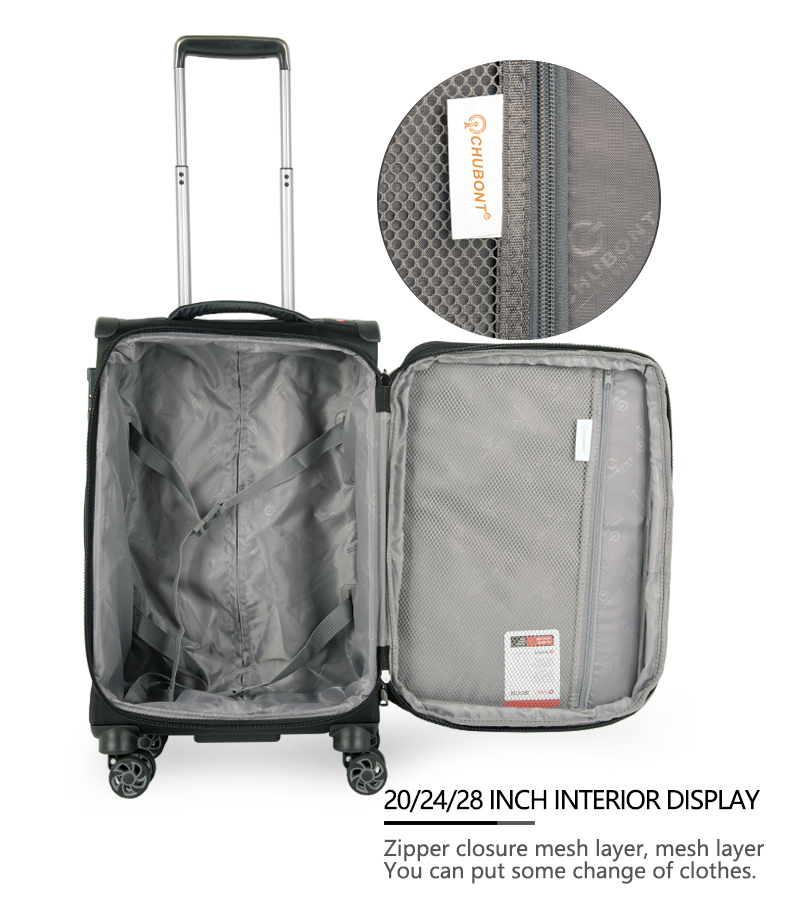
- Layered main compartment — the main cabin is for folded or rolled clothes and a light jacket; rolling instead of flat folding pushes out air gaps and can fit up to 30% more clothing in the same space.
- Zippered mesh pockets — underwear, socks, cables and toiletries stay visible and contained instead of sliding into the bottom of the case.
- Front hidden compartment — a laptop and a document bag sit in their own padded section, so a contract folder or computer can come out at the gate without opening the whole bag.
- Reinforced support frame — the frame runs around the softside body without taking up packing space, and it keeps this durable luggage in shape when the main compartment is only partly full.
- Quick-access logic — travel documents, a boarding pass and a charger belong in the front or mesh sections; the main compartment stays closed until you reach the hotel.
- Organised for the 20 inch carry on luggage — the interior is divided so a short trip does not turn into a search through one deep cavity, which matters when the bag is packed and reopened several times in a day.
- 1. Start with the shoes: pack chargers, socks or toiletry pouches inside the hollow shoe cavities, then place the shoes heel-to-toe at the bottom of the case where the wheel base gives a flat platform.
- Roll heavy outerwear such as a down jacket or windbreaker into a tight cylinder; compression removes the air that takes up vertical space and leaves a cleaner layer to build on.
- Lay lightweight clothing flat or in separate packing bags on top of the rolled items; layered bundles fill the gaps between larger pieces better than loose stacks.
- Use the zippered mesh pockets for small items that would otherwise fall into corners, and keep the front compartment for documents and devices only so it does not bulge into the main cabin.
- Seal liquid toiletries in a leak-proof bag before they go into the carry on suitcase; airport security screening is easier, and a spill stays inside the bag instead of soaking the lining.
- Pack heavier items toward the wheel end and lighter items toward the top; the bag stands more steadily and is easier to tilt when you are moving through a terminal.
- Close the zip with light pressure and check that the front pocket is not packed so full that it distorts the main cabin.
Scratch-Resistant Surface Use & Protection
- The outer layer is a waterproof nylon fabric with a wear-resistant coating, and that coating is what gives the case its day-to-day protection. It resists friction, light scratching and the dulling that comes from repeated contact with conveyor belts, aircraft floors and hotel luggage racks. Dragging the case through an airport does not leave obvious scratches on the surface, so this durable luggage keeps a clean, professional look after a run of trips. The coating is a surface finish rather than a hard shell: it protects the fabric underneath, but it still benefits from sensible handling. Think of it as the layer that takes the wear so the nylon does not fray or scuff through. When the surface does pick up a light mark, the care is simple, but the timing matters — deal with grit and dust before wiping, or the cloth can drag particles across the finish.
- Keep the base off rough ground — when towing, lift the bag over rough cement, metal edges and gravel rather than dragging the bottom and side panels across them.
- Use a cover in transit — a luggage cover during airport transfers and storage stops cases from rubbing against each other and taking unnecessary surface wear.
- Keep metal out of the outer pockets — keys and metal pendants should not sit in an outer pocket where they can grind against the coating over a long trip.
- Treat light marks early — wipe shallow surface wear with a microfiber cloth dampened with a little neutral water, using gentle circular motions, then dry the area.
- Prevent deep damage — deep scratches cut into the fabric coating and cannot be reversed, so avoid hard impacts and sharp edges; a little care keeps the case looking newer for longer.
Waterproof Fabric Function
The nylon body of this durable luggage carries a dense waterproof coating that handles light rain, morning dew, air-conditioner condensation and liquid splashes. On a short walk from the terminal to a taxi in the rain, an extra rain cover is not needed, and clothes and electronic devices inside the case stay dry. The coating is built for short-term light rain, not for long soaking or continuous heavy rain. Fabric seams and the gaps around the zipper are not completely sealed, so a small amount of water can seep in if the case sits in standing water or is exposed for a long period. Wipe the surface dry after it gets wet, and do not leave the bag sitting damp in a hotel room or vehicle. If the trip involves frequent rain, plan to refresh the surface protection rather than relying on the original coating alone.
Waterproof Fabric Care & Maintenance
- Remove dust and sand first with a dry soft brush or microfiber cloth; wiping a gritty surface can scratch the wear-resistant finish.
- Dilute a neutral, mild detergent in warm water and wipe stains with a damp soft cloth; do not use bleach, strong alkali, fabric softener, steel wool, hard brushes, alcohol or disinfectant, because these can dissolve the waterproof coating and damage the scratch-resistant film.
- Wipe away soap residue with clean water and dry the surface immediately with a dry towel.
- After rain, wipe all surface water off at once, open the lid and unzip the internal compartments, then air the bag in a cool, ventilated place until it is completely dry.
- Keep the bag out of direct sunlight and away from high-temperature dryers; heat can damage the nylon waterproof membrane, speed up ageing and make the scratch-resistant layer peel.
- Once the bag is dry, a nylon fabric waterproof restoration spray can replenish the surface protection if the bag is used often in rain.
- Before long-term storage, clean and air-dry your travel luggage completely, keep it in a dry, ventilated room, do not stack heavy objects on top, and place a desiccant inside to control damp.
- Every 3 trips, wipe the zippers and casters dry, apply a small amount of silicone-based lubricant to the zippers, and clear hair from the casters so they roll smoothly.
Size & Boarding Guide
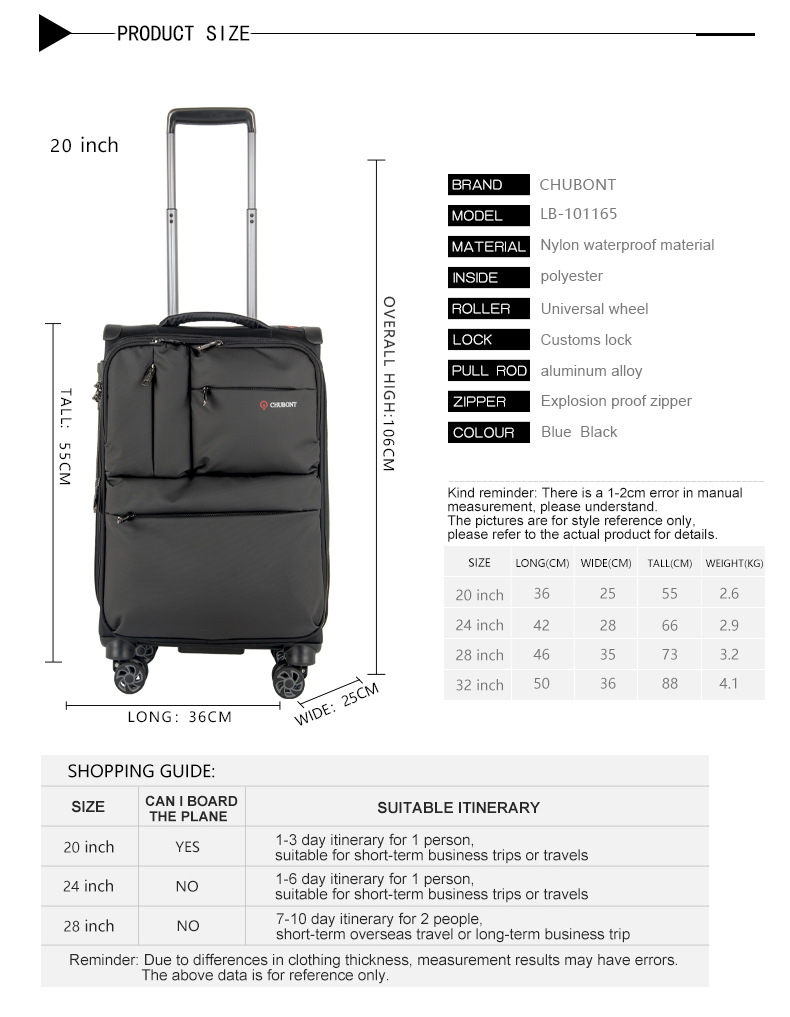
| Specification | Detail |
|---|
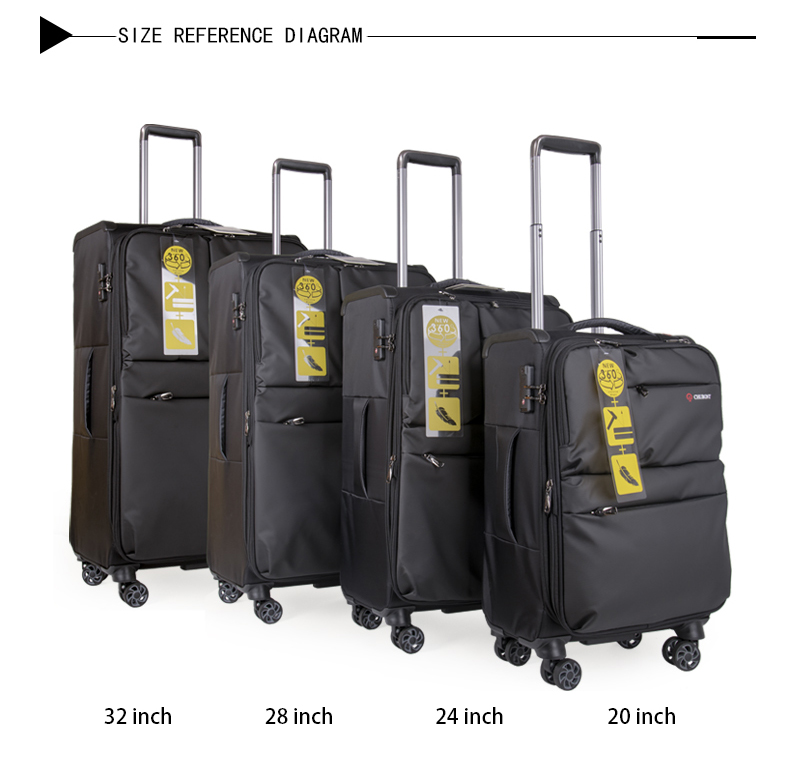
| Product type | 20 inch carry on luggage with 24-inch and 28-inch checked options |
| Model | CHUBONT LB-101165 |
| Shell | Waterproof nylon with scratch-resistant coating |
| Wheels | 360° spinner wheels |
| Handles | Top and side soft handles; telescopic trolley handle |
| Interior | Layered main compartment, zippered mesh pockets, front hidden laptop/document compartment |
| Colours | Black, blue |
| 20 inch | Yes — 1-3 day itinerary for 1 person, suitable for short-term business trips or travels |
| 24 inch | No — 1-6 day itinerary for 1 person, suitable for short-term business trips or travels |
| 28 inch | No — 7-10 day itinerary for 2 people, short-term overseas travel or long-term business trip |
| Capacity note | Clothing thickness affects how much fits; itinerary and packing data are for reference only |
Use Scenarios
- 1-3 day solo business trip — a lightweight spinner carry on luggage piece for a change of clothes, a laptop and toiletries, with no checked bag to wait for at the other end.
- Airport terminals and overhead bins — the cabin format goes through security and into the overhead compartment; the side handle helps with the lift when the bin is above shoulder height.
- High-speed rail and intercity transfers — the four wheels roll along a platform and the softside body fits into the luggage area of a train carriage without the hard-shell bulk.
- Client visits and short city breaks — the front compartment keeps a document folder and laptop separate, so the bag can be opened on a hotel desk or at a meeting without unpacking clothing.
- As a second bag with checked luggage — it pairs with a 28-inch checked suitcase for valuables, a change of clothes and work items, so the larger case can carry the bulk while this travel luggage stays with you.
- Overnight stays and trade-show days — pack the front pocket with samples, catalogues and a charger, and keep the main cabin for clothing; the bag can be reopened several times in a day without losing its shape.
Ordering, Customization & After-Sales
OEM and ODM services are available for custom luggage: logo application, lining design, colour direction, packaging and new mold development for selected projects. Share the size mix, branding method, artwork and packing preference with our sales team, and we will confirm what can be produced for the model and what needs a new tool. Basic packing, custom packing and matched accessory materials are available; carton marks, pack quantity and label format are confirmed against your warehouse requirements before production.
Wholesale luggage orders are quoted against the model, size, colour, logo process, packaging and target quantity. Ask your sales contact about sample availability, current lead time and the trade terms for your destination; these are confirmed per order before production.
Manufacturer warranty covers manufacturing defects for international distributors, with replacement parts or units handled as set out in the sales contract and supported by shipment and defect documentation. After-sales support follows the same route: report the issue with photos, order and shipment details, and our team will review the case against the contract terms.
Quality Control & Inspection
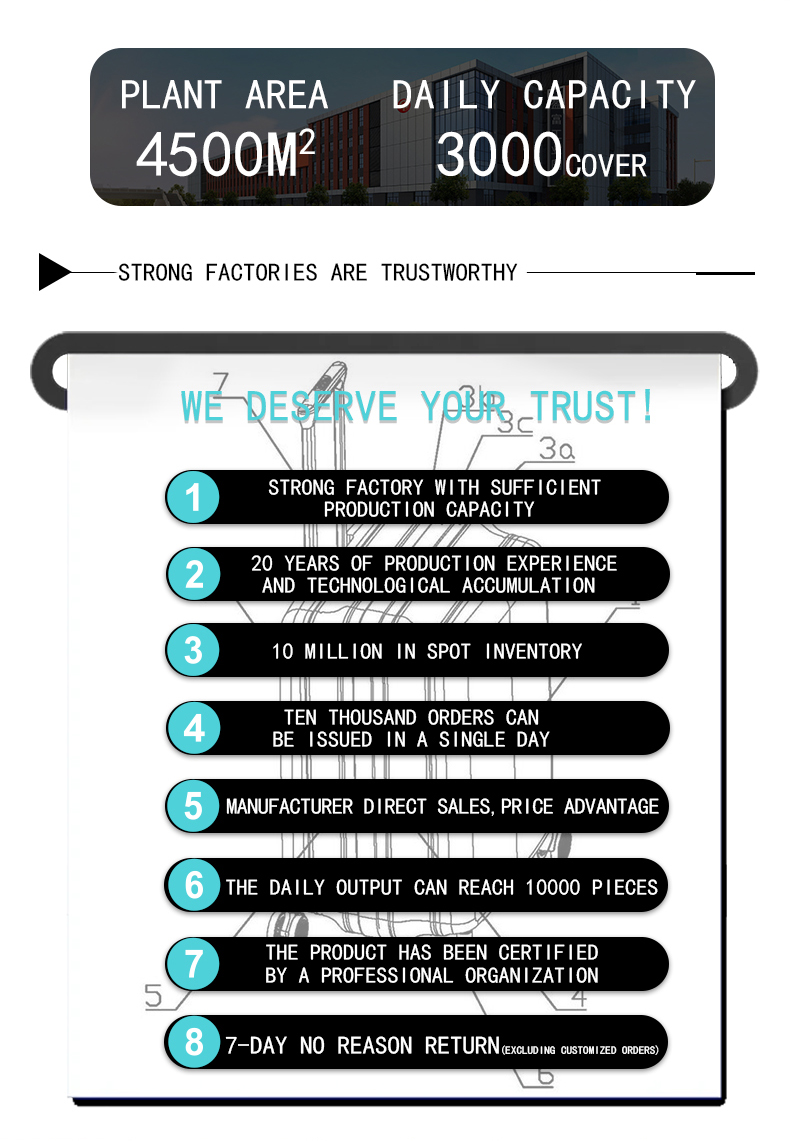
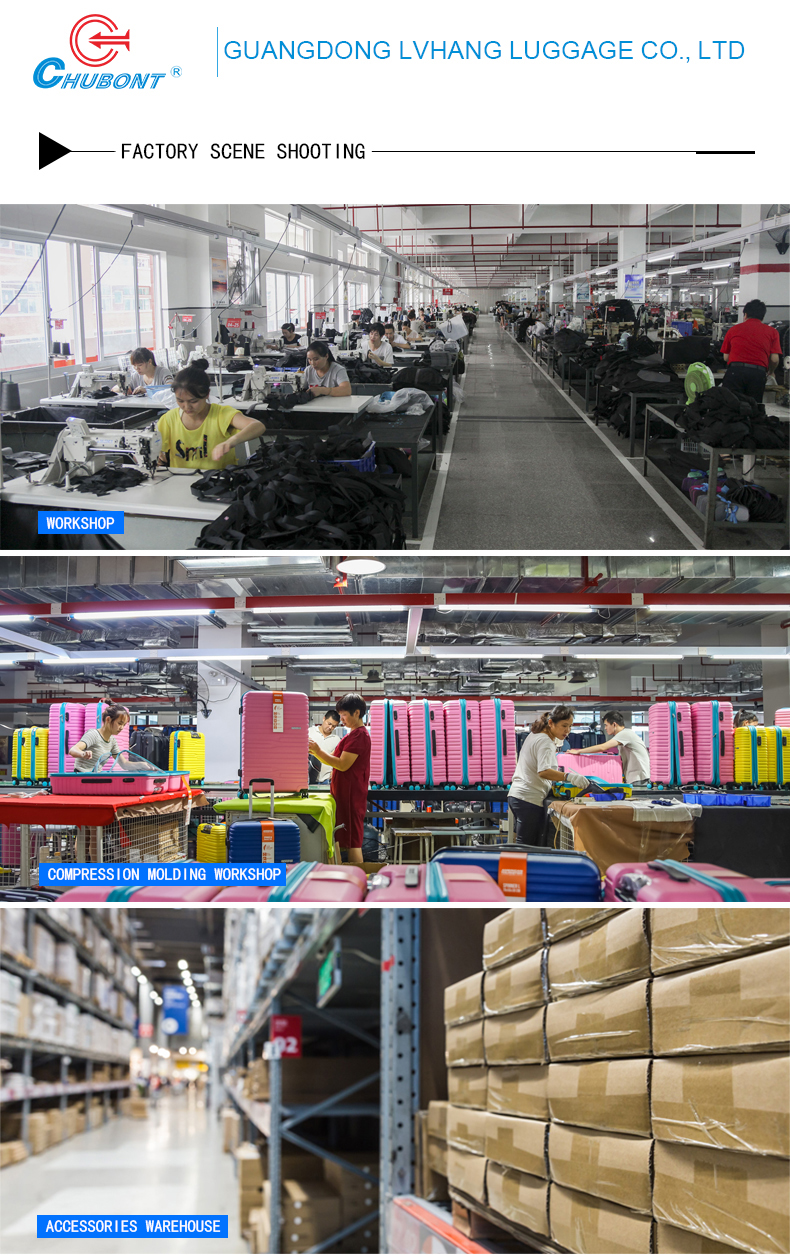
Every CHUBONT order passes five checkpoints inside our own workshops: incoming materials, pre-production samples, in-production patrols, finished-goods review, and a final pre-shipment check against the order. Batch records are kept, so buyers can see what was checked and when. You are welcome to send your own QC team, or appoint an independent inspector such as SGS or BV, to verify goods before they leave, and we support factory audits and on-site monitoring while production runs. Shipping marks, packing lists and carton labelling are confirmed against your instructions before loading.
FAQ
What materials are used in this carry-on luggage?
The shell is waterproof nylon with a scratch-resistant outer coating, and the softside body is held by a reinforced internal frame. The zip lines, wheel base and handles are mounted on reinforced points. Inside, the main compartment is fabric-lined with zippered mesh pockets and a padded front compartment for a laptop and documents. This carry on suitcase is designed to stay light enough for cabin travel while keeping the structure firm when packed.
How durable are the wheels and zippers?
The 360° spinner carry on luggage uses four multi-directional wheels, with the housings set into the base for protection during lifting and curb contact. The main zipper is a heavy-duty closed-end zip with firm pulls; wheel and zipper performance is checked through in-house QC and third-party AQL inspection. Under normal travel use, the parts are replaceable through the after-sales route if a defect appears.
Will the bag keep clothes and electronics dry in rain?
The waterproof nylon coating handles light rain, morning dew, air-conditioner condensation and splashes, so a short walk between terminal and taxi should not wet the contents. It is not built for long soaking or continuous heavy rain. Fabric seams and zipper gaps are not completely sealed, and water can seep in if the bag sits in standing water. Wipe it dry after a wet trip and let it air completely before storage.
What can the front compartment hold?
The front hidden compartment is sized for a 14-16 inch laptop and a document bag, with room for a business card holder or charger. It opens independently of the main cabin, so a computer or contract folder can come out at the gate or in a meeting without unpacking clothing. Keep the front section for flat work items rather than bulky clothing so the zip line stays straight.
Is the 20-inch model accepted as cabin baggage?
As 20 inch carry on luggage, it is sized to meet the cabin standards of most airlines and can go into the overhead bin. Airline limits vary, especially on smaller regional aircraft, so check the carrier's cabin dimensions before departure. The 24-inch and 28-inch sizes are checked baggage only.
Can the exterior colour and logo be customized?
Yes. The model is produced as custom luggage for private-label ranges, with colour direction, logo application, lining and packaging specified per order. Confirm the artwork, colour standard and packing format with our sales team before production so the first batch and the reorder match.
Is it easy to lift into an overhead bin?
The lightweight spinner carry on luggage format uses top and side soft handles for the lift, and the softside body gives a little when it goes into a tight bin. Grip the side handle rather than the fabric, keep the heavy items near the wheel end, and the bag is easier to control above shoulder height.