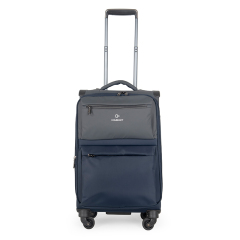
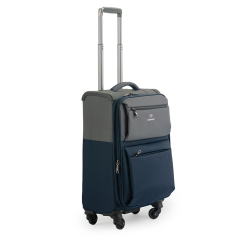
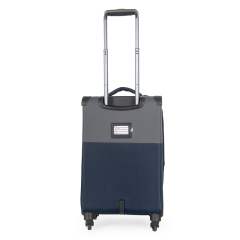
Product Overview
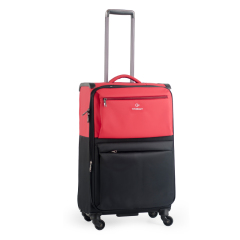
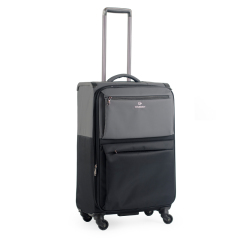
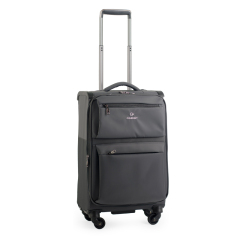
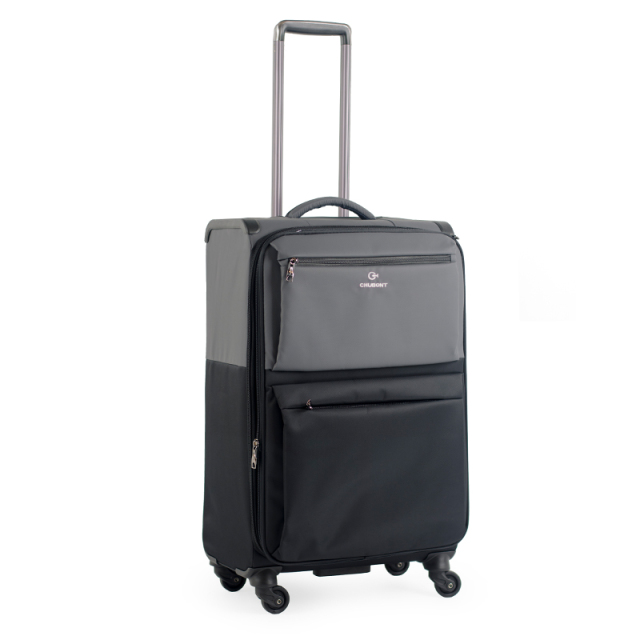
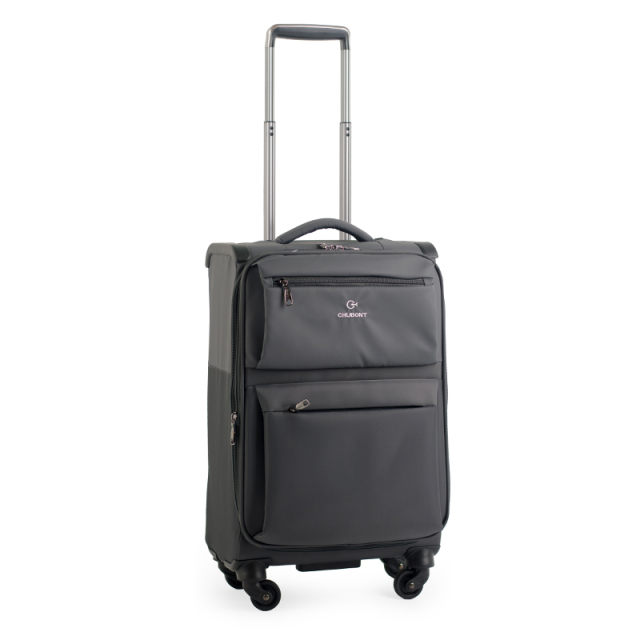
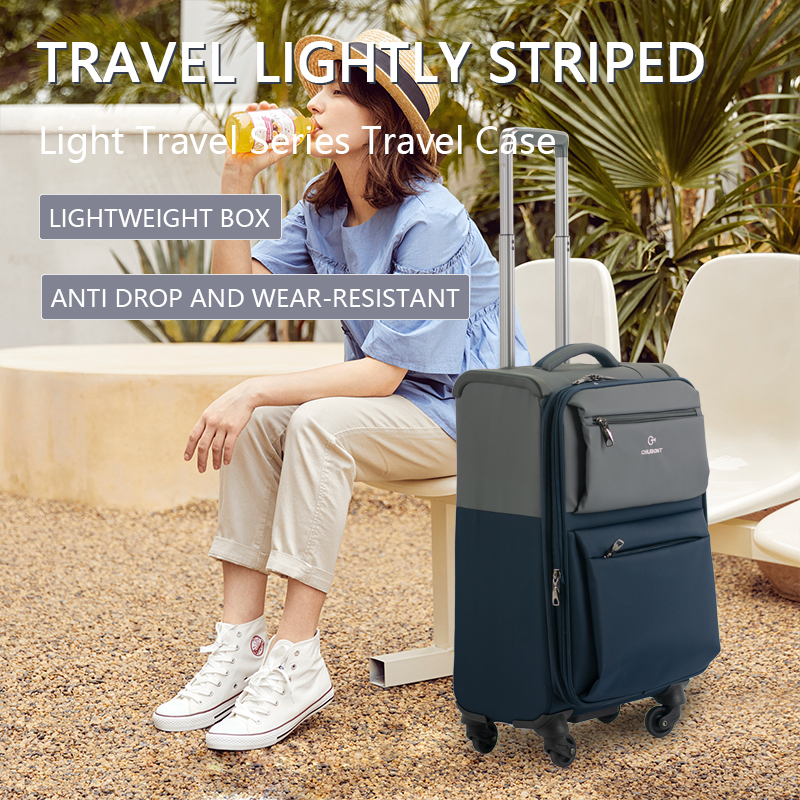
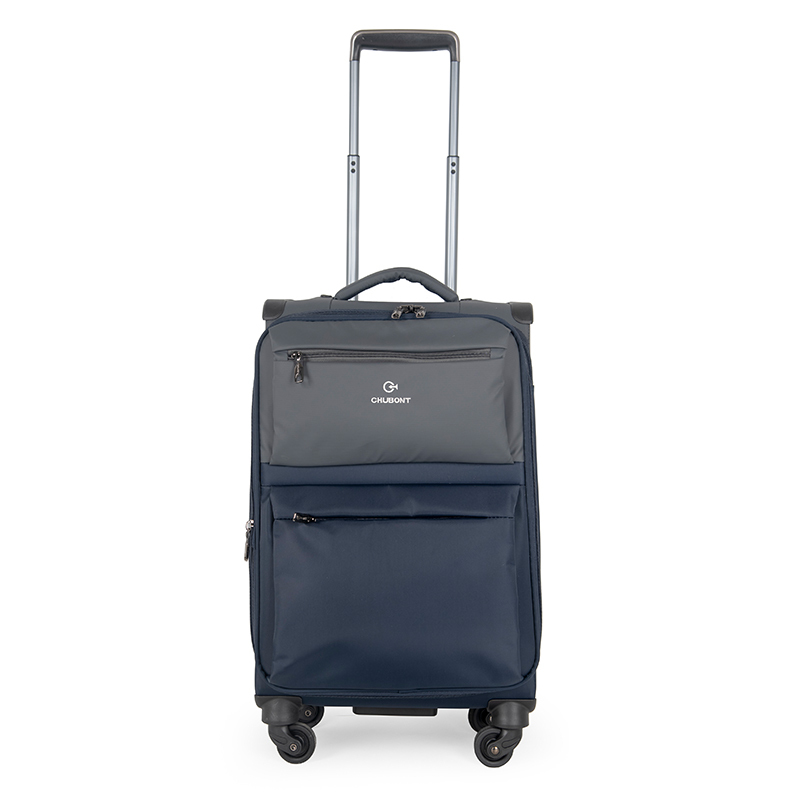
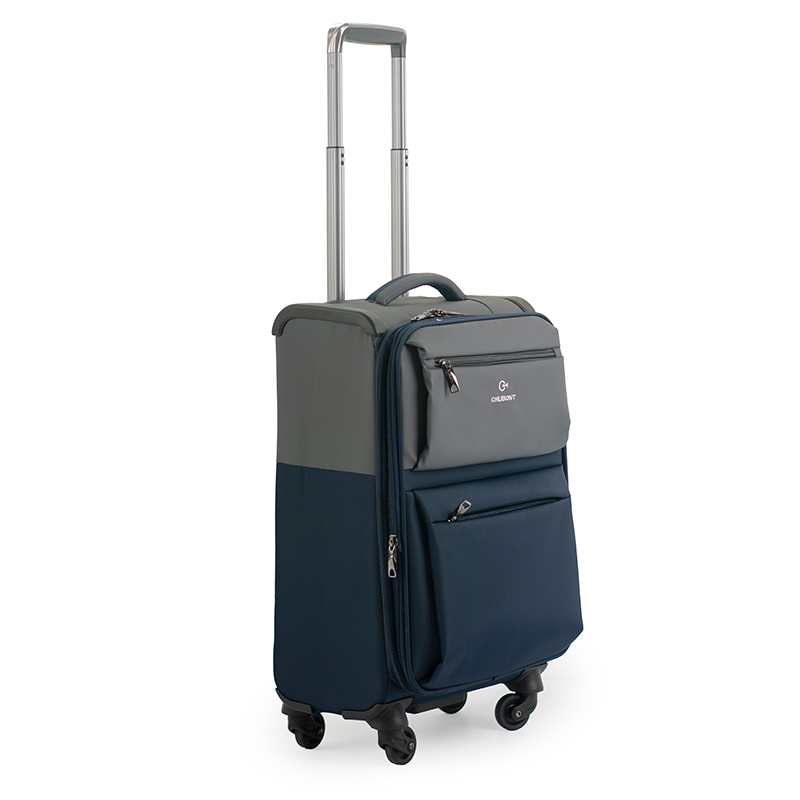
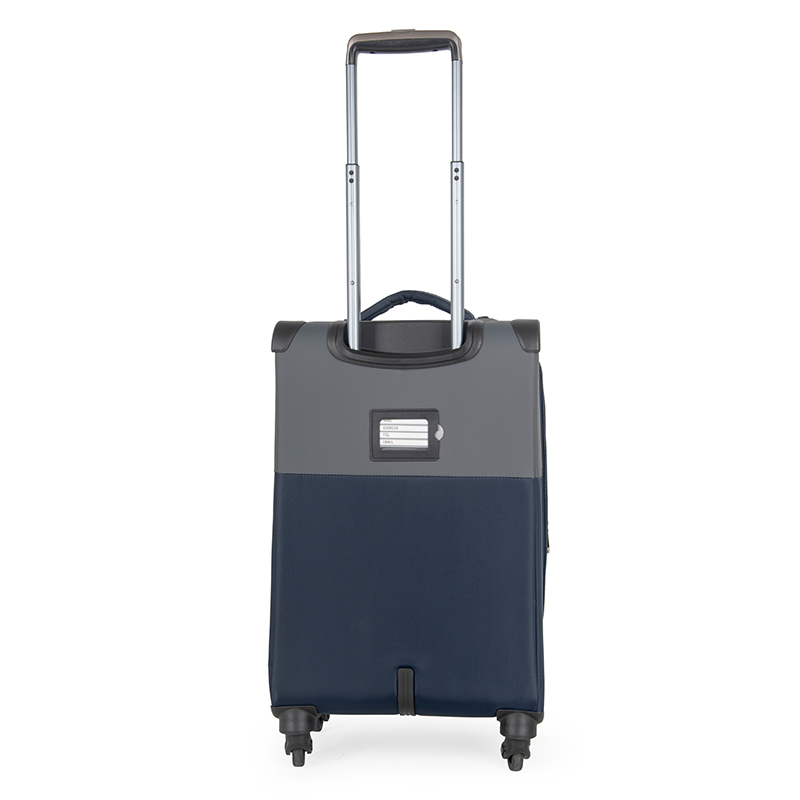
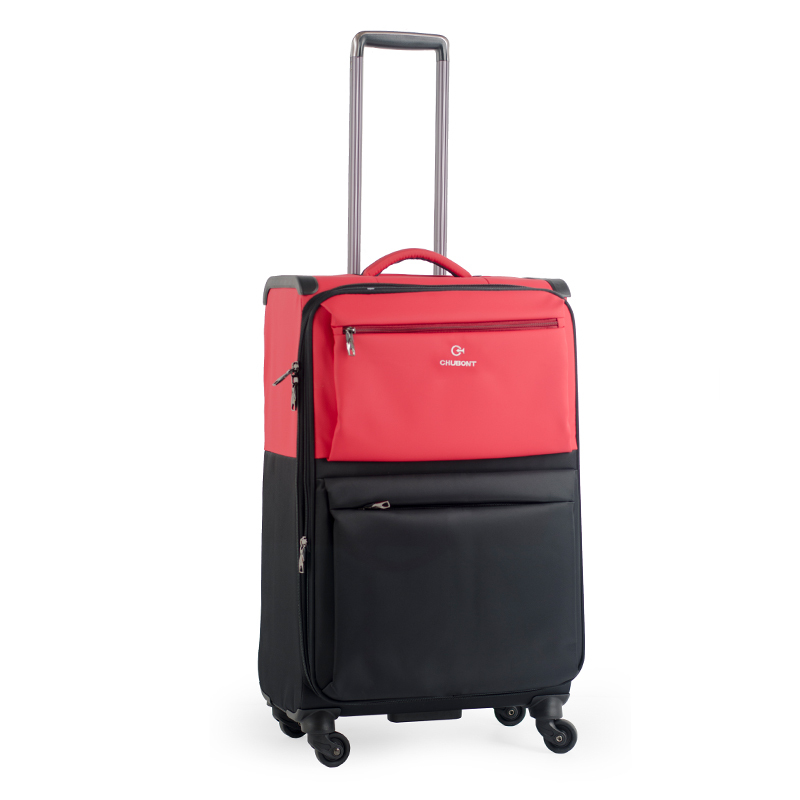
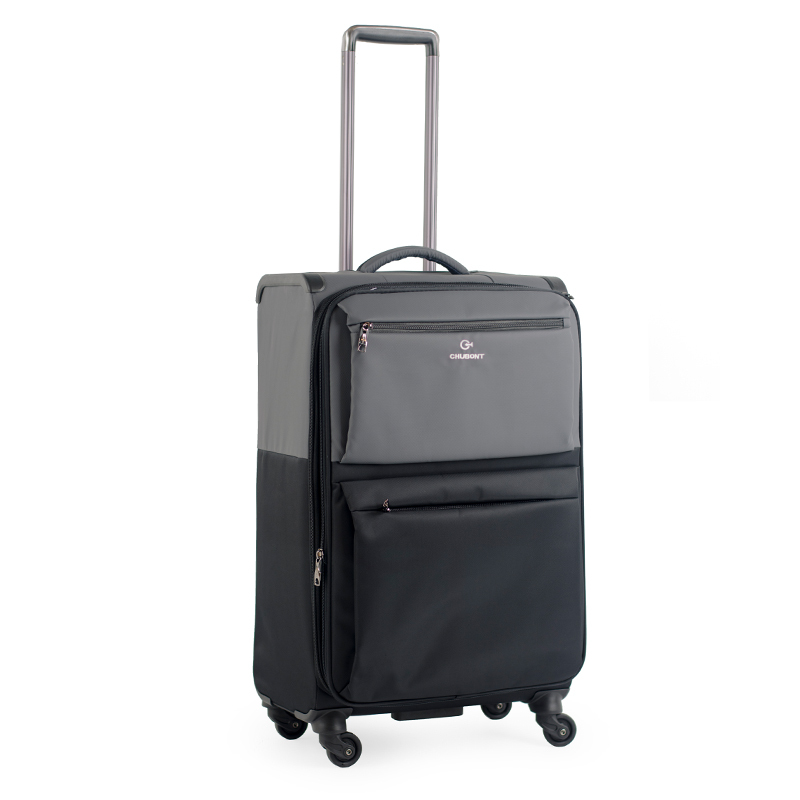
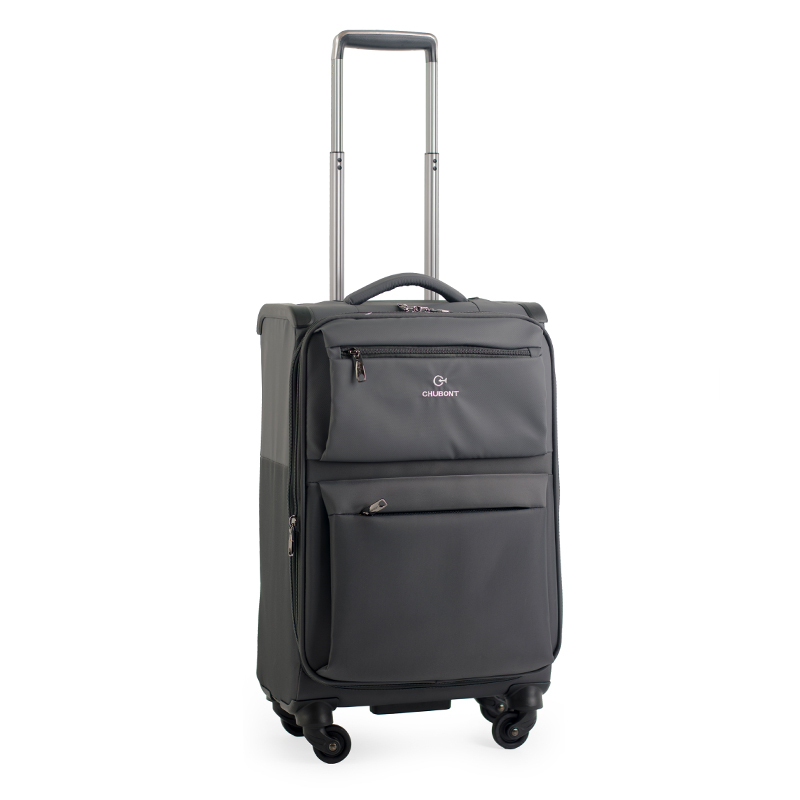
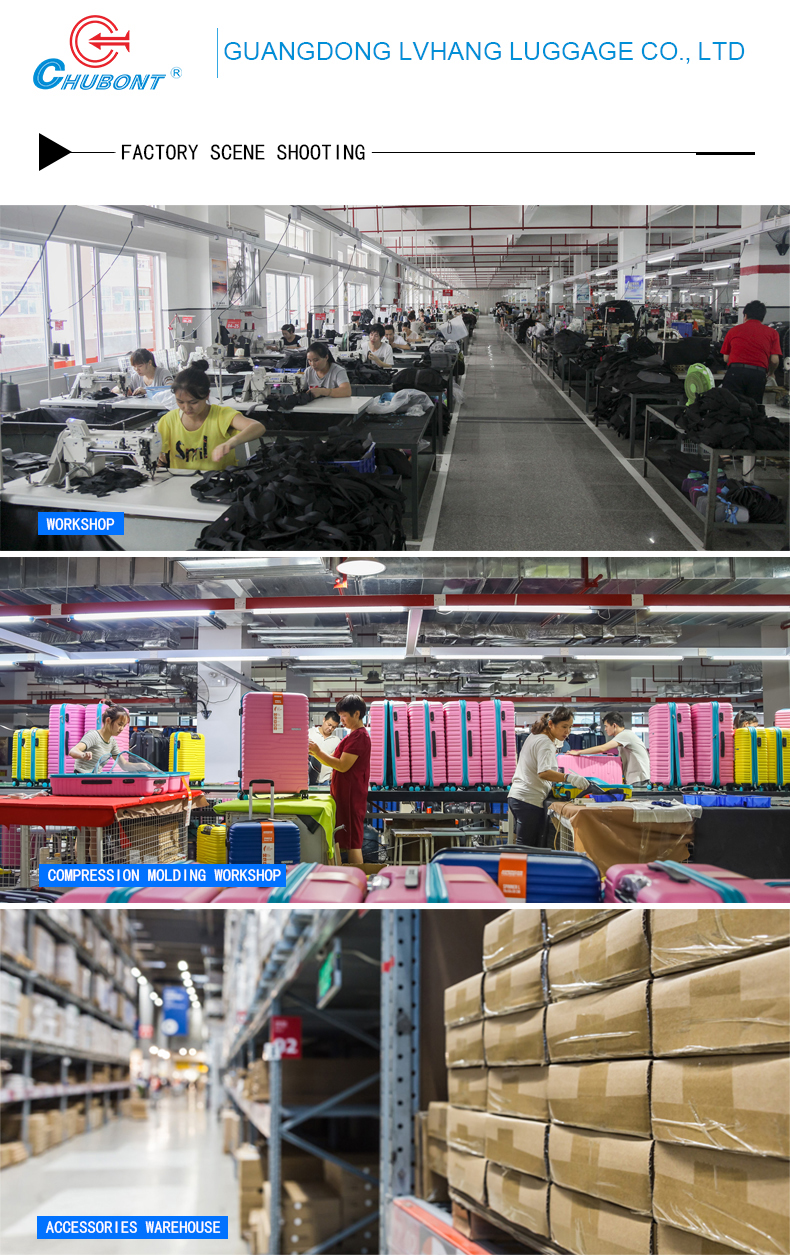
CHUBONT has been building luggage and bags since 1998. The cabin pieces are the focus here: the bags that fly with the passenger instead of going to the belt. The line covers 16 inch and 20 inch softside cases in nylon and Oxford fabric, a PU leather case with a vintage geometric finish, and the rolling travel bags and folding duffels that work as a second cabin item. Everything is made on our own lines in Guangdong, so a buyer can put a full size range together from one source instead of splitting the order across several carry on luggage manufacturers.
Most of the buyers we ship to are not shopping for a single suitcase. They are filling a cabin-size slot in a catalogue, developing a private-label line, or equipping staff who fly every month. For them the question is rarely which colour to take; it is whether the carry on suitcase in front of them will hold its shape, roll quietly and still open smoothly after a season of weekly flights.
So the range is built around packing habits rather than around sizes alone. A small carry on suitcase for an overnight trip, a 20 inch spinner for a working week, a soft rolling bag for a sales team that carries samples — each shape answers a different brief. Tell us which habit your market has and we will point you to the models that fit it, rather than the ones that photograph well.
Custom work runs through the whole cabin range. Panel colours, lining print, logo plates, zip pullers and packing are set to your brand, and we develop a custom carry on luggage line from a sketch, a reference sample or an existing model you want adjusted. Because the tooling and the assembly sit under one roof, a change is agreed once and then applied the same way on every repeat order.
Carry-On & Travel Range
| Model |
Size |
Key build |
Recommended for |
| LB-101087 |
16 in |
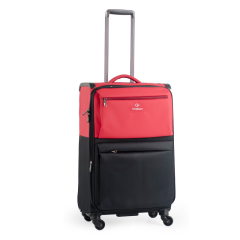
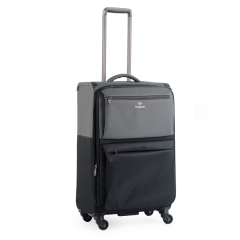
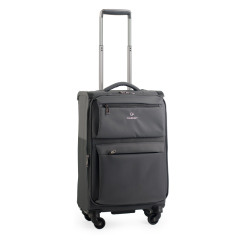
Unisex softside cabin case, 360° spinner wheels |
Crew and overnight travel, cabin-only trips |
| LB-101156 |
20 in |
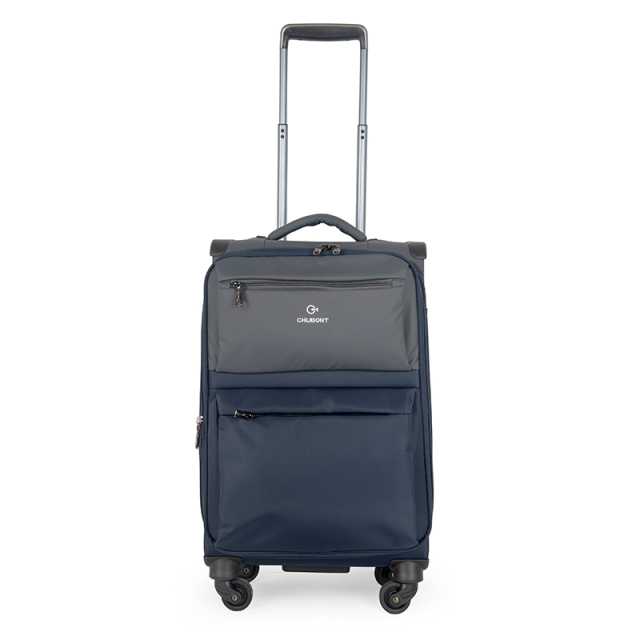
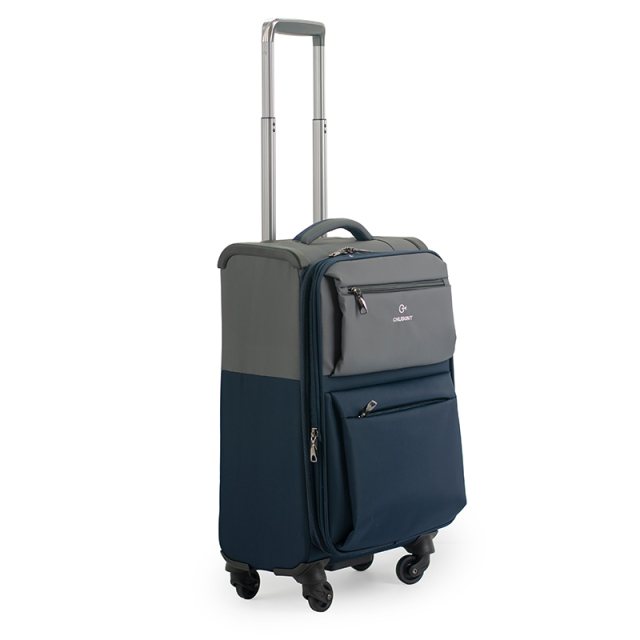
Nylon softside, 360° spinner wheels, lightweight shell |
Weekly business travel, a distributor's core cabin slot |
| LB-101171 |
20 in + 24 in |
Waterproof spinner set, TSA combination lock |
Two-piece sets for business and family travel |
| LB-101137 |
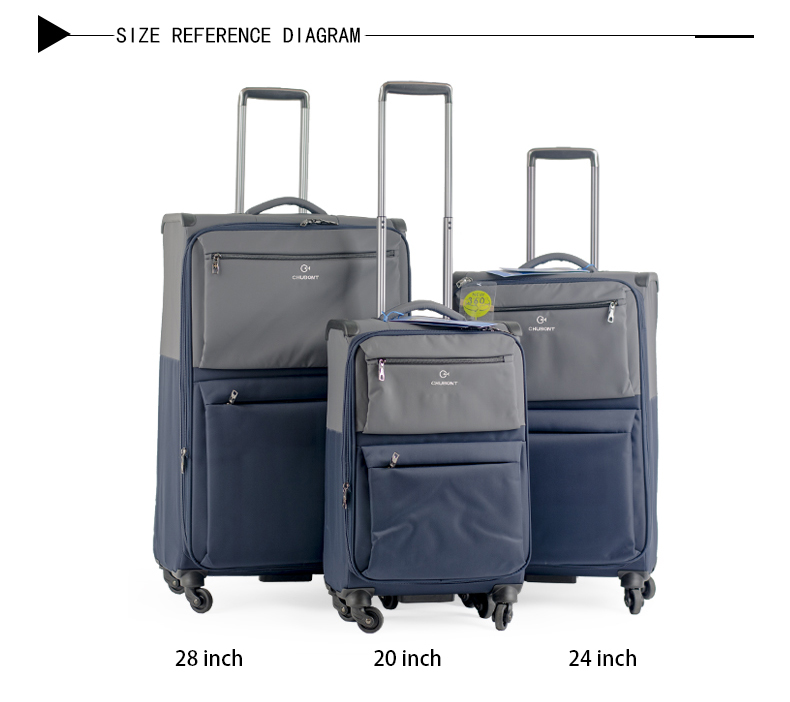
20 in / 24 in / 28 in |
Shock-resistant build, TSA combination lock |
Complete size ranges for wholesale and brand lines |
| LB-101157 |
28 in |
Ultralight business case, shock-resistant, 360° wheels |
Long-haul checked luggage and extended trips |
| LB-101136 |
Large |
PU leather, vintage geometric design, high capacity |
Premium-looking ranges and showroom feature displays |
| LB-101153 |
Carry-on |
Waterproof rolling travel bag, multi-compartment, expandable |
Sales teams, sample carriers, cabin business travel |
| LB-101066 |
Foldable |
Large-capacity folding duffel, lightweight, waterproof |
Spare-bag programmes, corporate gifting, travel-trade channels |
Materials & Hardware
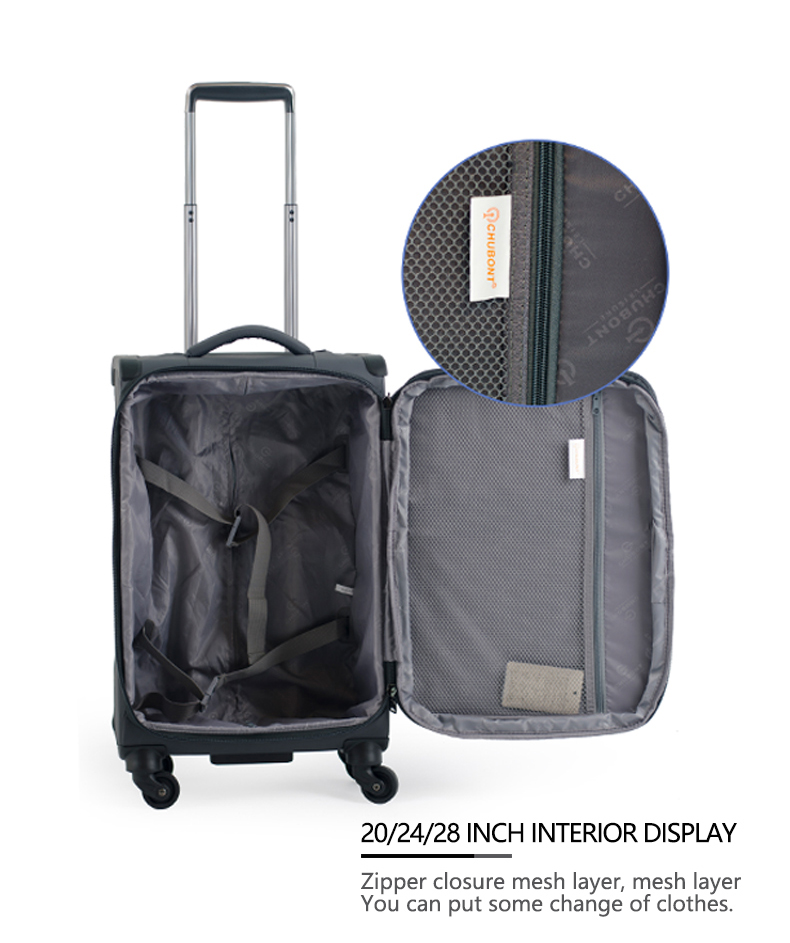
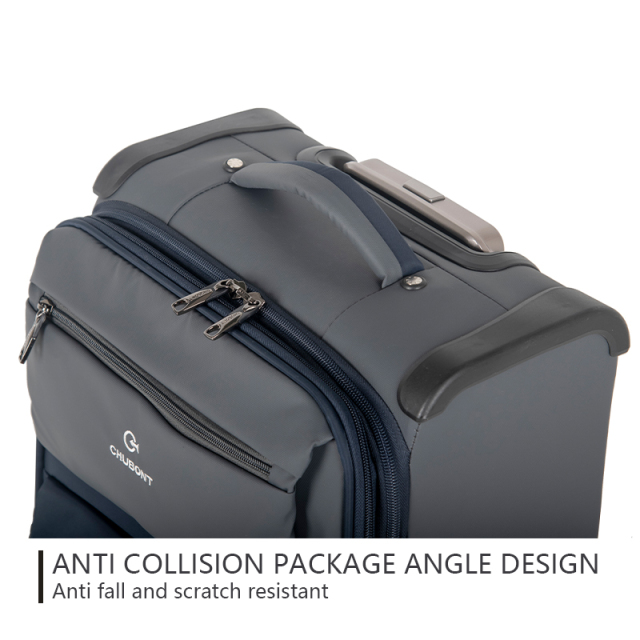
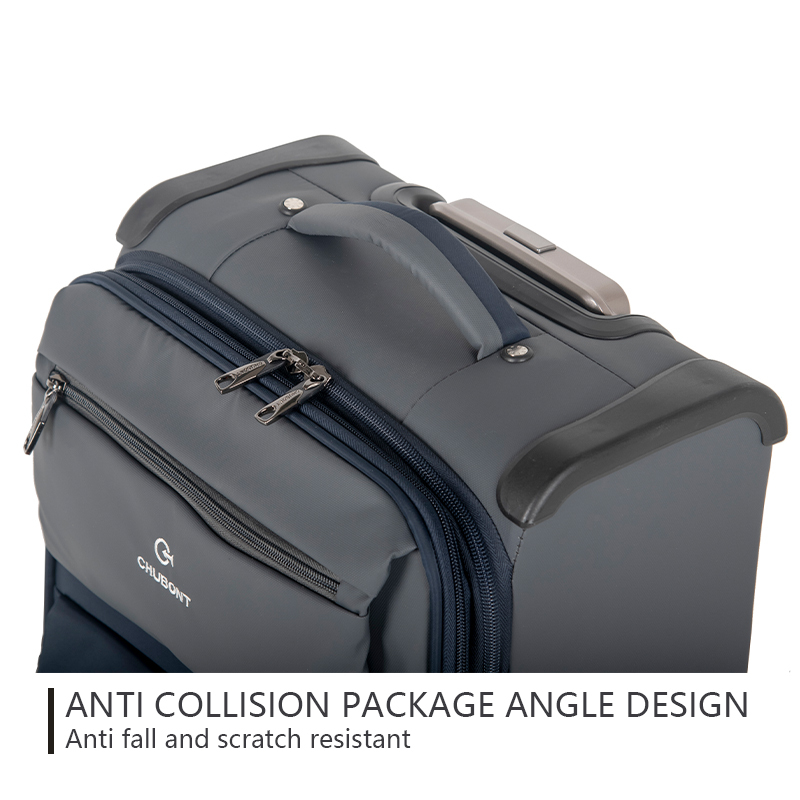
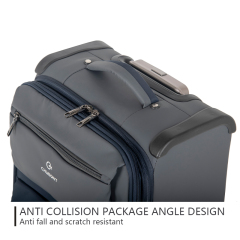
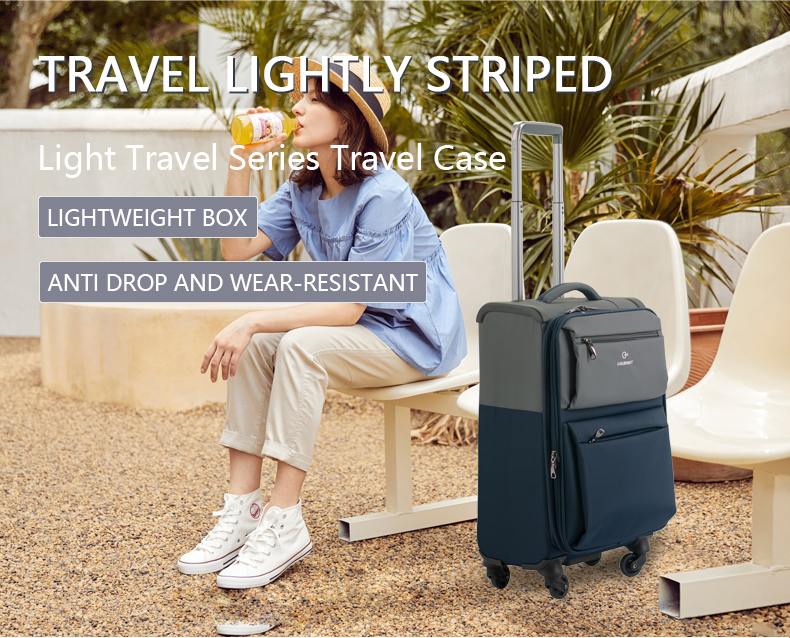
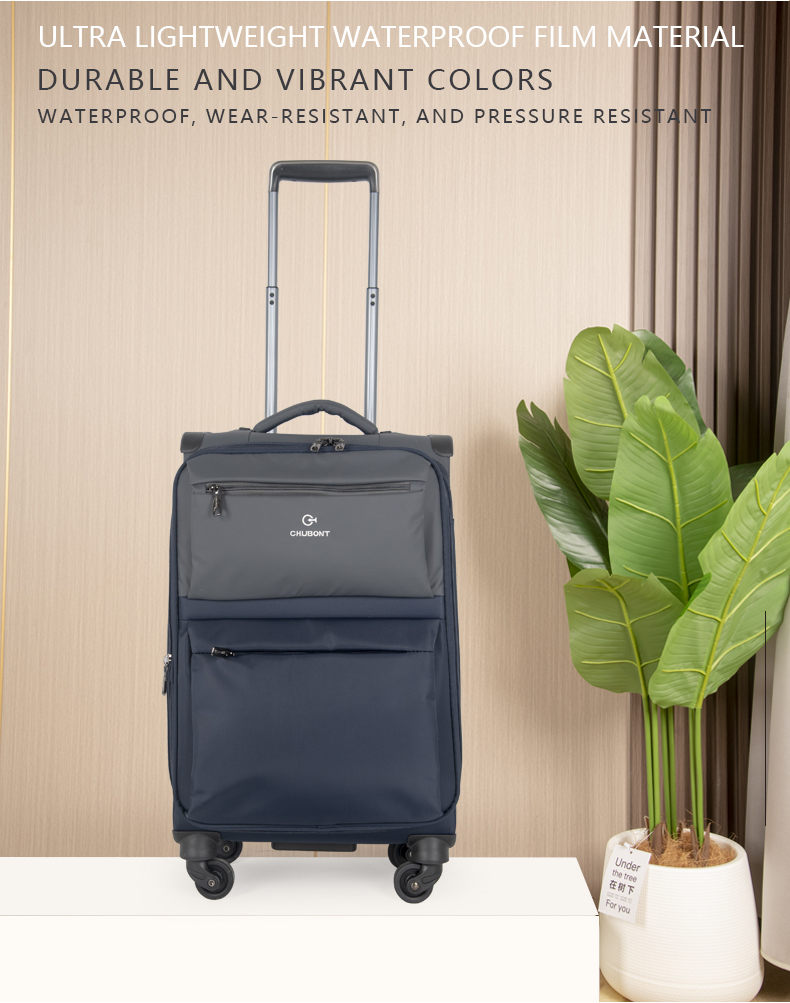
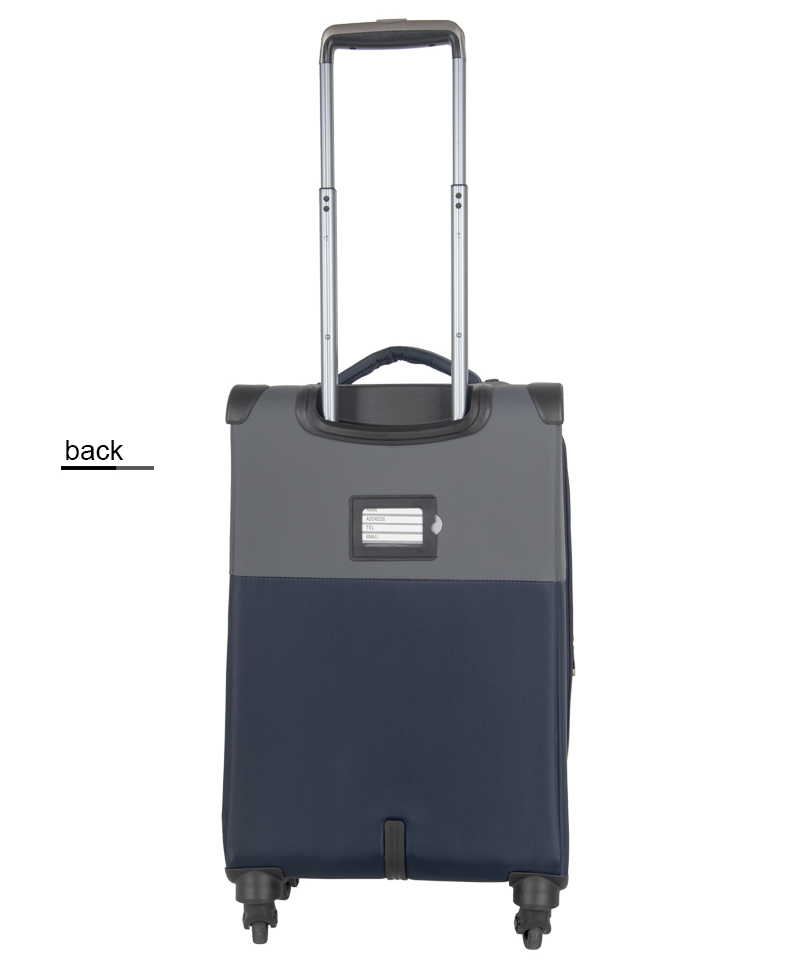
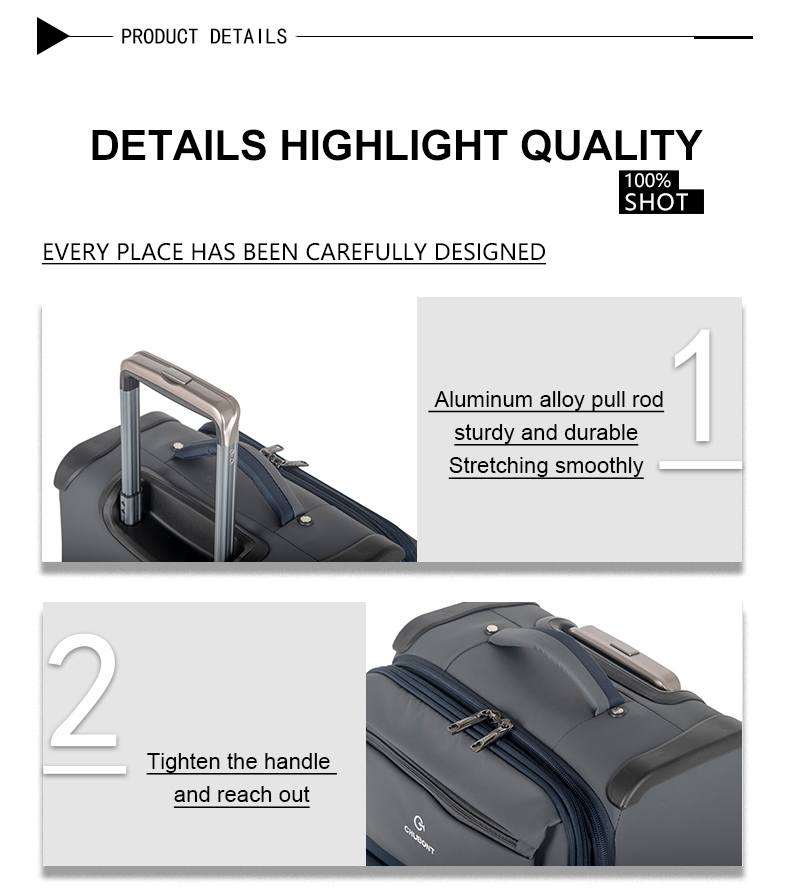
Cabin cases live harder than checked luggage. They are lifted by the handle, squeezed into an overhead bin and set down on a wet floor several times a day, so the shell and the trim take more punishment per trip. Our softside models use nylon and Oxford fabric shells with reinforced anti-collision corners, a full polyester lining and high-strength zips, which lets the case flex under a full load without the seams pulling. Hard-shell options are produced in PC, ABS and ABS+PC blends, and the PU leather case carries a vintage geometric finish for ranges that need to look different on a display wall. Because we are carry on luggage manufacturers rather than traders, the wheel set, trolley, zip and lining you approve on the sample are the ones that go into every repeat order. Colour is the other half of consistency. We hold shell colour, trim, lining and zip tape to one approved swatch and keep the same trim source across repeat orders, so a second shipment still matches the first when both sit on the same shelf. Interiors are laid out in layers rather than as one open cavity. A zipped mesh panel, packing straps and a separate compartment keep documents, a laptop and a change of clothes apart, which is what a business traveller actually needs on a two- to four-day trip.
Wheels & Shock Protection
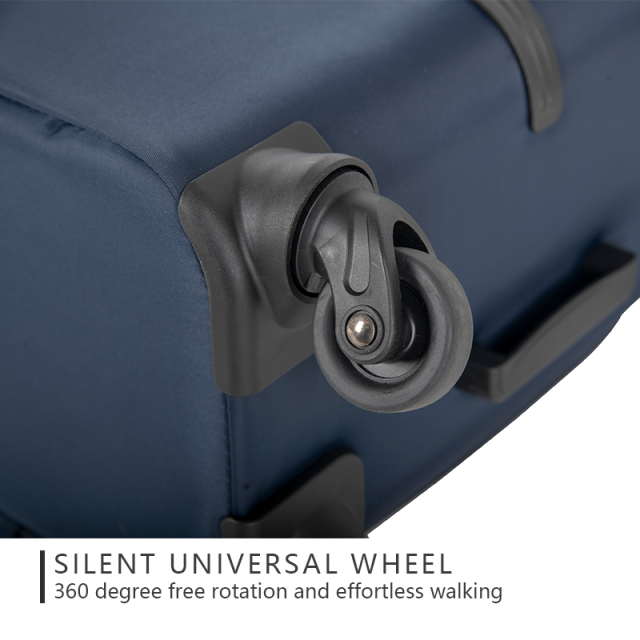
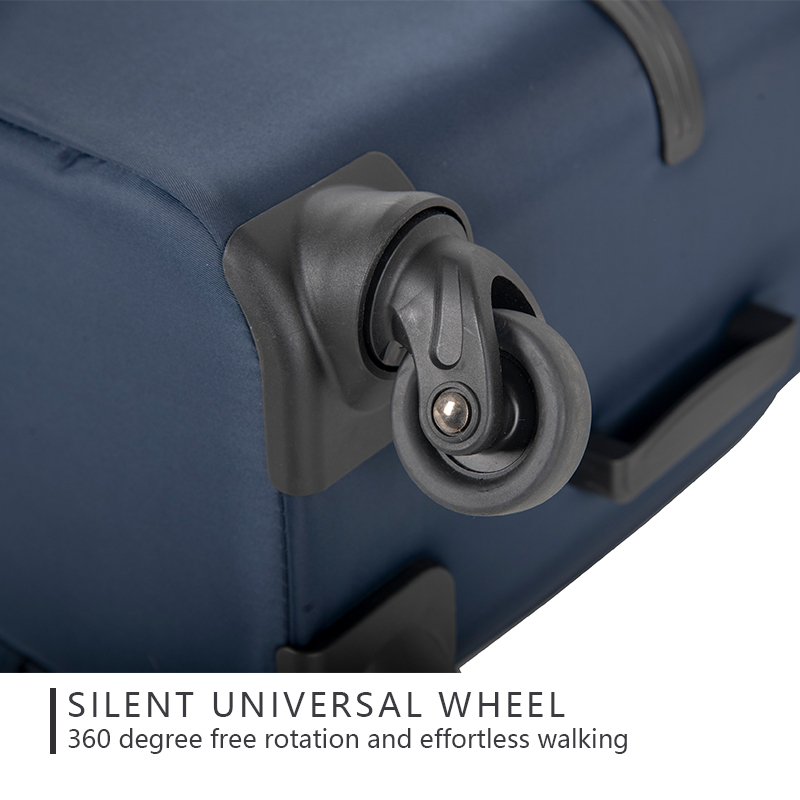
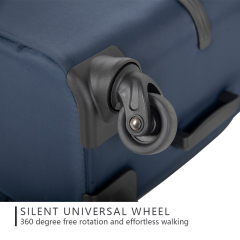
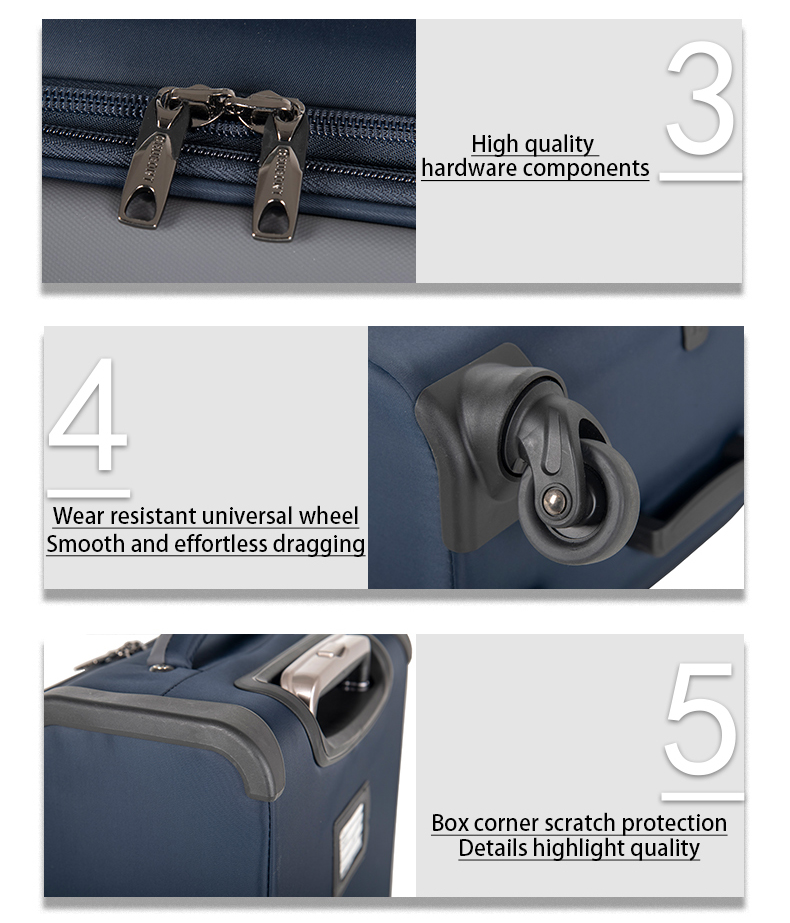
- Four independent 360° castors: each wheel swivels on its own axle, so the case can move sideways, diagonally or turn in place. That is what lets a loaded 20 inch carry on luggage case follow you through a security queue instead of being dragged behind at an angle.
- Reinforced polymer housings: the castor housing is the part that cracks when a case is dropped or pulled off a curb, so the wheels are built as reinforced polymer units rather than plain nylon castors. Check the housing for play when you review a sample.
- Corner mounting and load path: the wheels sit at the four corners and take the load directly through the base. Tilt the case onto two wheels only to lift it over a step; dragging it on two wheels for a long distance puts the whole load on one pair.
- Quiet rolling: the tread and axle are chosen to keep noise down on terminal floors and reduce vibration through the trolley handle, which matters on an early connection when the whole gate is trying to sleep.
- Reinforced anti-collision corners: on nylon and Oxford softside cases the corners meet the floor, the bin and the baggage belt first. We add reinforced corner panels and extra stitching there, so wear stays on a panel rather than opening a seam.
- Shock-resistant shell design: a shock-resistant case is built to flex under impact and return to shape. Neither design makes a case indestructible, and neither replaces careful packing. A zip that has to be forced shut is the first sign a case is overpacked, and the seam takes the strain.
- What to test on a sample: spin every wheel by hand, listen for a wobble, press each corner, run the trolley through its full travel and close the zip over a full load. A five-minute check on a sample tells you more than a specification sheet.
Cabin Sizing & Fit
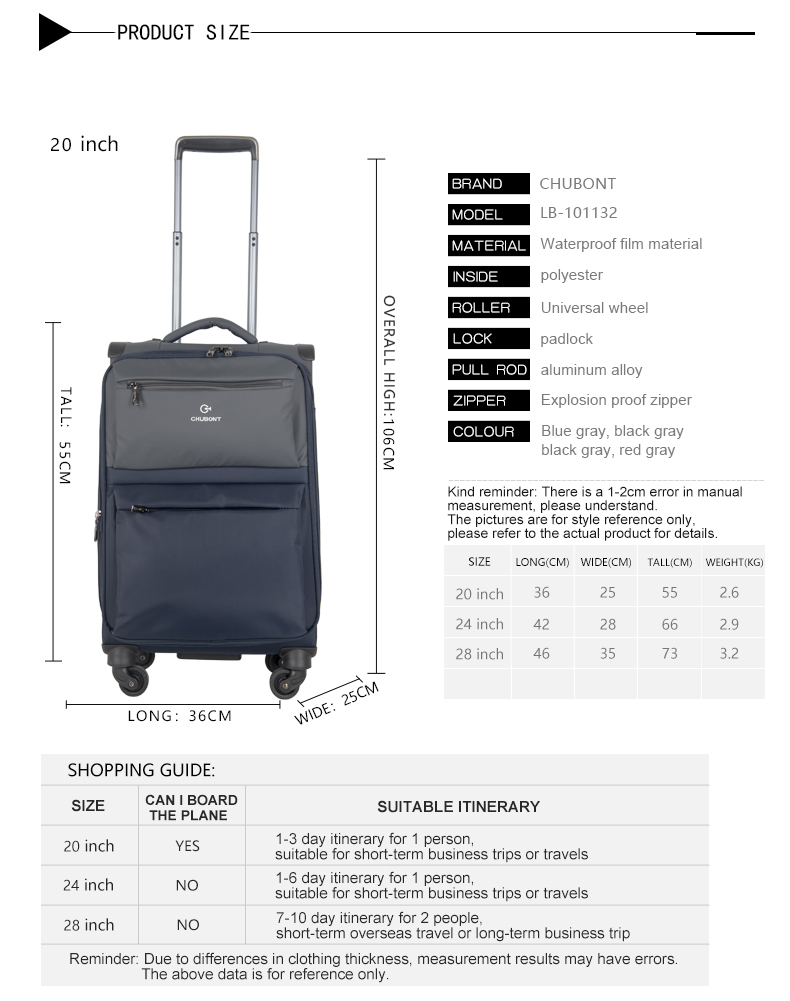
- 16 inch — the compact cabin option. A small carry on suitcase for an overnight or two-night trip: a change of clothes, a tablet, a wash bag and a charger. It is the easier size to place in tight cabin gauges and in the overhead bins of smaller aircraft.
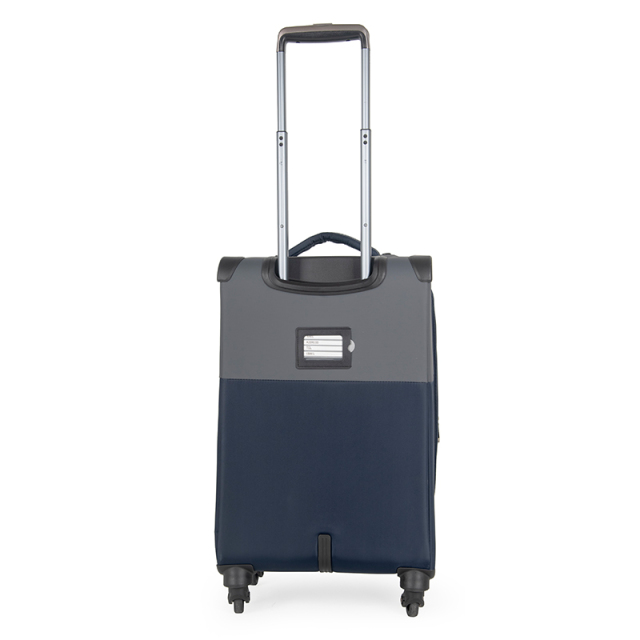
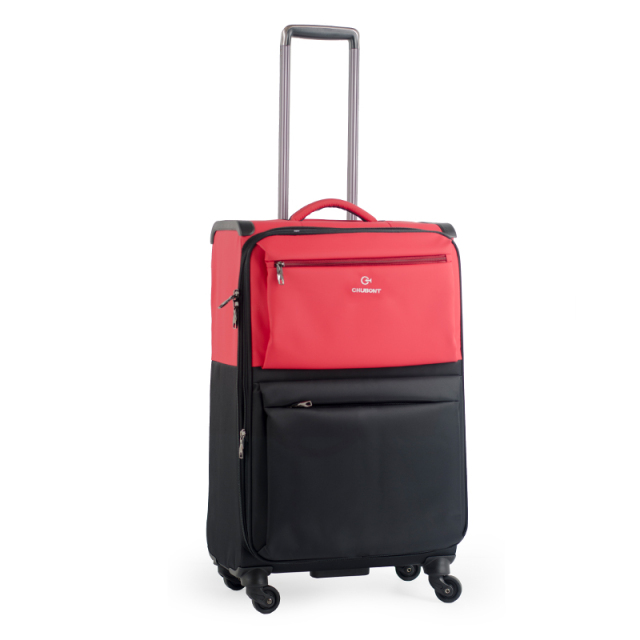
- 20 inch — the size most ranges are built around. A 20 inch carry on luggage piece takes a two- to four-day business trip and needs no long explanation on a shelf, which is why it is usually the first size a distributor commits to.
- 24 inch and above — plan for the belt. Once you pass cabin sizes the case is checked, so 24 inch, 28 inch and set configurations should be checked luggage in your catalogue copy and in your marketplace listings.
- Airline acceptance is per carrier. What counts is the limit the carrier publishes, not a general cabin-size label. Ask us which carriers a model was designed against, then verify the live limit for the routes your customers actually fly before you print a claim on a carry on suitcase.
- Weight beats volume on a cabin bag. A softside nylon case gives a little when a gauge is tight, while a hard shell holds a fixed footprint. If your market flies carriers with strict gauges, the softside usually creates fewer conversations at the gate.
- Plan for the second piece. Pairing a rolling travel bag or folding duffel with a 20 inch case covers the passenger who travels with a laptop bag plus a suitcase, and it gives you a two-item sale instead of one.
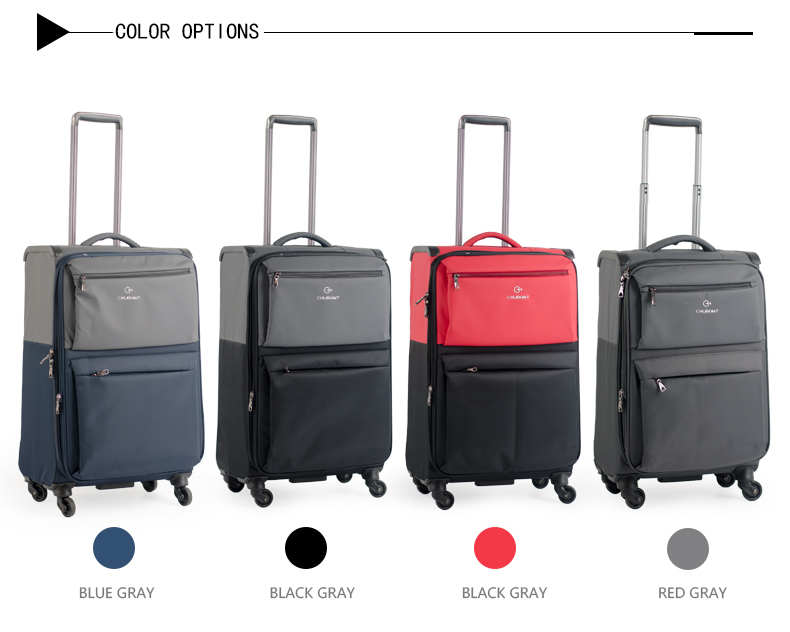
- Plan sizes and colours together. A wholesale carry on luggage range is usually bought as a size-and-colour grid, so decide how many colours each size carries before the order — it changes carton packing and how the range reads on a shelf.
Sets & Travel Scenarios
- One order, three trip lengths: a three-piece set covers a cabin trip, a week away and a long stay with one colour and one hardware standard. The lightweight nylon set (LB-101110) adds a lower-weight option in the same 20, 24 and 28 inch sizes, with 360° wheels and a TSA lock.
- The monthly business flyer: issue a 20 inch cabin case as the standard for two- to four-night trips, then hold 24 inch cases as pool stock for week-long assignments. A traveller who does both should not be given a 28 inch case for a three-day trip.
- The sample-carrying sales team: pair a 20 inch spinner with a rolling travel bag or an expandable duffel. Samples and displays go in one cabin piece, clothes and laptop in the other, and two cabin pieces are easier to manage than one checked case that arrives late.
- The family holiday: a 24 inch and a 28 inch checked piece plus a 20 inch cabin case covers two adults and children's luggage without checking four cases. The cabin case keeps documents, medication and a change of clothes with the family.
- The long assignment or relocation: the 28 inch is the volume piece; pair it with a 24 inch for a partner or a second bag rather than buying two 28 inch cases, which are harder to handle on stairs and in small hotel rooms.
- The marketplace bundle: for a wholesale carry on luggage range, sets photograph as a matched family and sell as one unit. A two-piece set is easier to ship and price, while a three-piece set lifts the average order; keep the same colour across the set for the listing image.
- The crew or airline programme: 16 inch and 20 inch cabin pieces are the working sizes for crew; larger sets stay for ground staff, office allocation or long-haul assignments.
- Splitting a set: any set can be broken into single sizes, but confirm the colour split and carton packing first, because a set packed as one carton ships differently from three single cartons. For a custom carry on luggage programme, decide whether the set ships as a unit or as individual cartons before the order is placed.
Locks & Zip Security
What the lock does.
A TSA combination lock is built with a key override for security officers. During screening they can open the case, inspect it and relock it with their master key instead of cutting the zip or breaking the lock. The traveller sets a personal combination for everyday use. It is a convenience for inspection, not a guarantee against theft or rough handling.
Fitting and licence.
The set models in the range are supplied with TSA combination locks, and selected cabin cases can be specified with one where the build allows. The exact lock, its finish and its mounting point are confirmed on the order, because a lock change is one of the details that can move between runs. The TSA licence for the lock belongs to the lock manufacturer, not to CHUBONT. We fit the lock as a bought-in component and can confirm the lock maker and model for the order you are placing. Describe the feature as a TSA combination lock fitted to the case, not as a TSA certification of the luggage brand.
Setting the combination.
Set the combination before the first trip, write it down separately and test it with the case open. A combination set in a hurry at a check-in desk is the usual reason a traveller ends up at the airport with a case they cannot open. If the combination is forgotten, the lock has to be opened destructively; there is no master code for the traveller.
Zip security and limits.
On lockable models the lock closes over the two zip sliders where they meet, so the case cannot be opened without either the combination or the security key. The zip is a high-strength coil with reinforced stitching at the ends, because the zip is a structural seam: an overpacked case strains the teeth and the stitching long before the fabric wears out. On a carry on suitcase the zip is opened and closed several times a day, so pack it so the sliders meet without force. A lock protects the opening, not the whole case: a fabric panel can still be cut, and valuables, documents and spare batteries should travel in the bag you keep with you. Treat the lock as one layer of security rather than the only one.
Customisation Programme
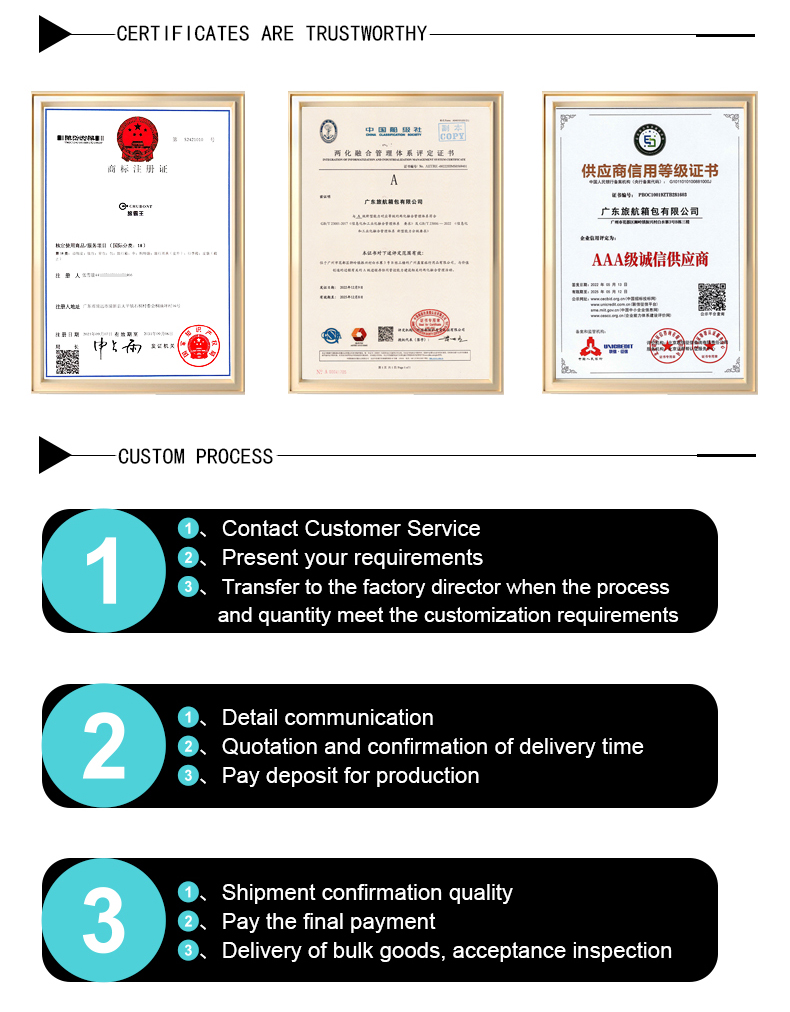
- Brief and reference. Send the model you are interested in, the size mix, the colours you have in mind, your logo artwork and the market the product will be sold in. A photo of a competitor's bag or a single sketch is enough to start.
- Specification and costing. We come back with the material, component and packing options that fit your target price point, so the decision is made on build and cost together rather than on shell colour alone. Buyers running a wholesale carry on luggage programme usually ask for a colour split at this stage.
- Sample development. A pre-production sample is built for you to check colour, logo position, size, lining, stitching, wheel movement and the way the case packs.
- Approval. Once you sign off the sample, the swatch, the logo proof and the packing artwork, those become the reference for the run — including lining print and zip puller colour, which are the details most often missed.
- Production. The order goes onto our own lines against the approved standard, and a custom carry on luggage run keeps the same trim and component sources as the approved sample.
Wholesale Supply & Ordering
- Packing. Basic packing is the standard, custom packing is built to your artwork, and matching materials — hangtags, care cards and inserts — can be supplied with the order so the case reaches the shelf ready to sell. - Minimum order. It is set per model, colour and level of customisation. Send the model, the size split, the quantity and the destination market and we will confirm what applies to your order. - Lead time. Confirmed once the sample and specification are approved, because fabric availability and the amount of customisation both move it. Your sales contact will put the schedule in writing. - Payment and shipping terms. Agreed in the order confirmation, together with the trade terms, documentation and carton marks your market requires. - Documents. Packing list, carton marks and the shipping documents your market requires are prepared against the confirmed order; tell us at quotation stage if specific test documentation is needed so the right sample can be arranged. - Mixed orders. Cabin models, sets, rolling bags and duffels can be combined in one order, which is how most wholesale carry on luggage buyers fill a container without holding stock in a single shape. - Working direct. Cabin models, sets and rolling bags are scheduled together on one production plan, which is one of the practical advantages of buying from carry on luggage manufacturers rather than through an agent placing three separate orders.
Care & Storage
- Empty it after every trip. Unzip all compartments, take out the packing straps and let the case stand open for a day, so moisture from clothes or a damp wash bag can escape before it is closed again.
- Wipe, do not soak. Nylon and Oxford fabric clean up with a soft cloth and mild soapy water. PU leather needs a barely damp cloth and air drying away from direct heat, never a radiator.
- Clean the wheels. Hair, grit and carpet fibre collect around the axle and are the usual reason a case starts to pull to one side. Pick it out with tweezers and leave the bearings dry — oil attracts more grit.
- Run the trolley through every position. Extend the handle fully and retract it a few times each month. A tube that starts to stick is far easier to deal with at home than at a check-in desk.
- Look after the zips. A zip that drags will eventually fail. Keep the track clean, close the case with the load spread evenly, and use a silicone zip lubricant rather than wax or oil.
- Store it upright and dry. Keep cases out of direct sun and away from radiators, and never stack heavy cartons on a softside in storage — the shell will take a set that does not come out.
Quality Control & Inspection
Every CHUBONT order passes five checkpoints inside our own workshops: incoming materials, pre-production samples, in-production patrols, finished-goods review, and a final pre-shipment check against the order. Batch records are kept, so buyers can see what was checked and when. You are welcome to send your own QC team, or appoint an independent inspector such as SGS or BV, to verify goods before they leave, and we support factory audits and on-site monitoring while production runs. Shipping marks, packing lists and carton labelling are confirmed against your instructions before loading.
FAQ
Which size should we stock first, 16 inch or 20 inch?
Start with the 20 inch if you want one size that covers the most trips — it is the piece most buyers build a cabin range around. The 16 inch earns its place as the second size: it is the small carry on suitcase for overnight and crew use, and it fits more easily into tight cabin gauges. If your customers are mostly short-haul business travellers, carry both and let trip length decide.
Is a 20 inch carry on luggage case accepted as cabin baggage everywhere?
Limits are set per carrier and can differ between aircraft on the same route, and they are measured on the outside of the case with wheels, handles and pockets included. Before you print a cabin claim, ask us for the outer dimensions of the exact model and check them against the published limit of the airlines your market uses.
Do the cabin cases come with a TSA combination lock?
Selected models do, including the 20 inch and 24 inch set and the 20/24/28 inch set. A TSA combination lock lets security staff open and relock the case for inspection without cutting the bag or the lock, which saves both. Because the lock is one of the parts that can change on a custom run, confirm the lock specification for the exact model you order.
Can we order custom carry on luggage with our own logo and lining?
Yes. Logo plates, printed logos, lining print, zip pullers, trim colour and packing artwork can all be set to your brand, and we can work from artwork, a reference sample or an existing model you want adjusted. The usual path runs through a pre-production sample so you can see the logo position and lining on the real shape before the production run starts.
How does a softside carry on suitcase compare with a hard shell over time?
A softside nylon or Oxford case gives slightly when a cabin gauge is tight and keeps scuffs on the fabric panels rather than in the shell, while a PC or ABS+PC hard shell holds a fixed shape and protects fragile contents but shows impact marks more readily. For markets dominated by carriers with strict gauges, the softside usually produces fewer complaints at the gate; for premium-looking product lines, the hard shell and the PU leather case photograph better.